
Cat 305 Excavator DPF Soot Load Inspection: What the Hour Meter doesn’t tell You
A pair of machines, situated 40 metres apart
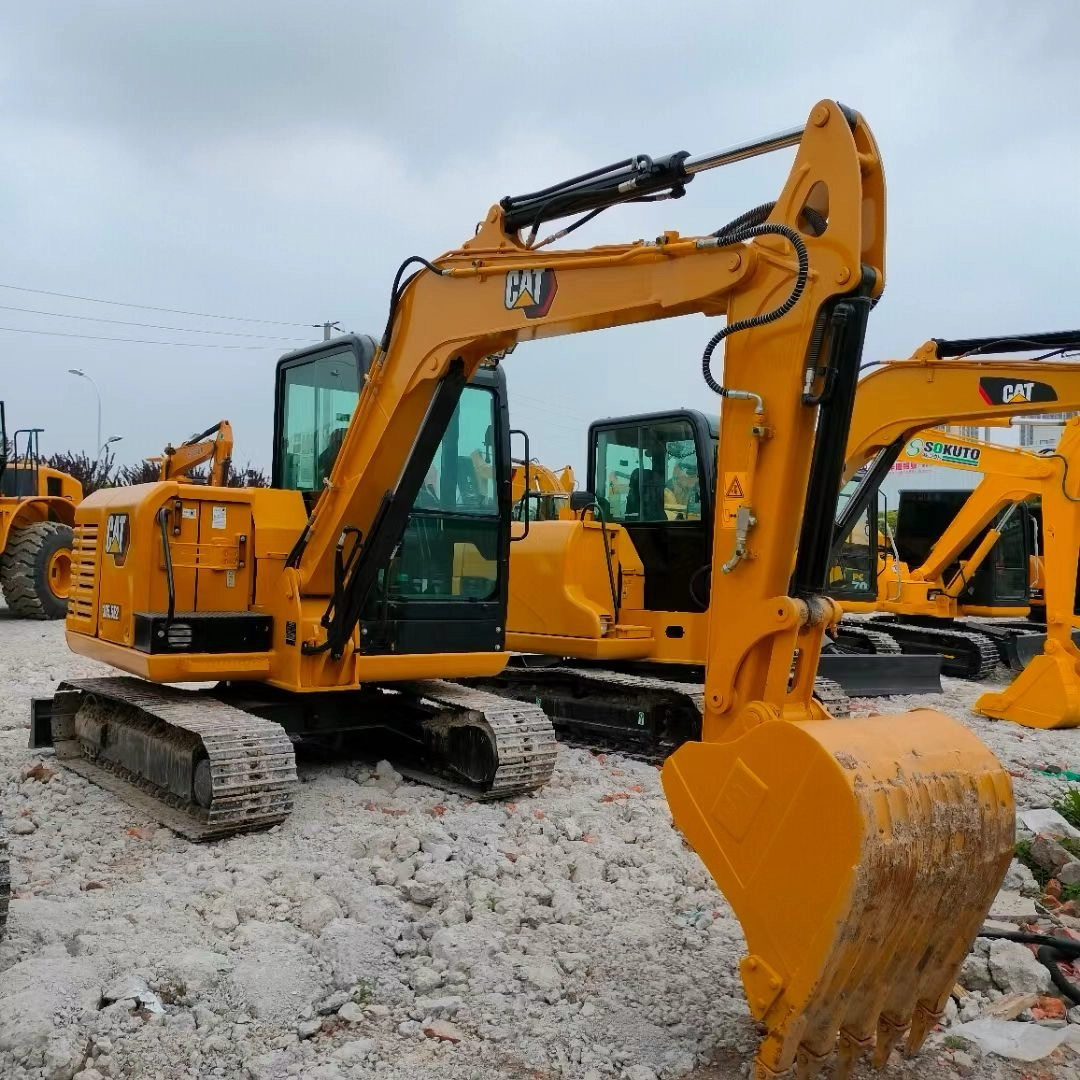
A pair of machines, situated 40 metres apart, are sketched. Two summers ago I had a 305E2 CR around three thousand hours, that had run on a civil crew that dug trench and cut footings, and a 305E2 CR with all the other normal wear and tear of a machine in a landscaping company around a thousand hours for finish grading. They were both forced to start on the button. The pair of owners believed that they were getting rid of a good machine. The traces related various tales.
Peaks are noise. Floors are evidence.
If possible, before anyone touches anything, print the regen history and/or photo graph the screen. A line that can be gazeful twice, later, in a motel room with a bad coffee is more of a line than a line that squints at the sun once.
What the Cat ET’s regeneration history provides you with, is a line that rises, and falls, and rises, and falls . . . a saw blade on its side, each tooth representing one accumulation cycle with each one ending with an episode of regeneration. There are two things on that trace that I care about, but it is not the top one. The peaks represent the rate of build-up of soot accumulation with respect to duty cycle – interesting, predictable and no cost after sale. The floors indicate where, at the end of the burn the setting of the trace has developed, and if the settling place has been moving up over machine life. Peaks are noise. Floors are evidence.
By the end of the log I did the first floor of the log and then the last floor of the log against. A filter which had settled at about the same location at three hundred hours has been requested to retain soot but not other particles. They’ve been building up a profile in the filter walk-up floors in a stair step and that same material has been growing, which the heat can’t touch. Then the gap between teeth – wide teeth and deep drops kept the exhaust hot for a longer period of time until passive regeneration threshold was achieved without the ECM needing help. So if there are any teeth at all. Not to mention the worst detail of this comparison: it was the landscaping machine with 33.33% less hours that got the less attractive trace. Tighter teeth, higher floors, a couple of drops that never got down to baseline with an organic regen or did the ones that did, work flawlessly.
Ash is metallic oxide
The high cost of the rising floor signal is due to the fact that it is rare. The design is based on the premise that soot is carbon, carbon burns. Ash is metallic oxide that has been eluded from the lube oil additive package, comes in on blowby as a light powdery substance, is talc-like in color and offers no reaction to regeneration temperature. Carry out a forced regen, until the housing glows and the ash is exactly where it was previously. Hence, the floor is of significance but the peak is not.
Slow. Monotonic. Can never fix itself.
Sawtooth begins to climb up the page like a rising tide as ash starts to fill in the space on the channel, soot mass gets slightly higher back pressure after each burn, and ECM estimate creeps up a bit after each burn. Slow. Monotonic. Can never fix itself. To a new player, it’s a perfectly normal number; to a seasoned player, it is a flashing red light. Soot is “how” and ash is “what” and who pays, and who doesn’t.
True but Irrelevant
There was one machine, where the derating was never done even once and the owner took an oath for the same – True but Irrelevant. The trace reported that the floor had risen above what I’d like it to be prior to an upcoming ash service.
Request the ash service record
Request the ash service record, and not the “DPF service. A wash and bake is not a substrate exchange, the wording on the invoice will inform you which one was done.
Why Finishing Isn’t Heating the Filter Up to a High Enough temperature.
Featuring topsoil on a house pad, machine was in the field since the morning and ambient was 31°C. 305E2 CR, 2,140 hours. After 15 minutes of shutdown, the DPF inlet pipe temperature (on pyrometer probe) was measured and found to be below the low 200s for the entire session. Just barely warm to the hand was the can.
The passive regeneration window on a T4 aftertreatment system
The passive regeneration window on a T4 aftertreatment system can be in the 250-550℃ where the higher end of the window is more likely to be the useful end for more shifting of regeneration for sustained cleaning. Of course the placement of the probes will change that “what you read,” and that EGT sensor will wear out, but the bottom line is that without the exhaust ever getting there, nothing happens in the can. It is not until finish grading get there.
The system is in idle band
It may not have been obvious to you how low the load level is on a 305 machine when using a grading blade in soft surface soil. The system is in idle band, the temperature of the exhaust gas is on the verge of idle with occasional intermittent spikes that are too short for consideration; pump demand is intermittent, and the hydraulics are operating.
The machine is used in the wrong application
The design of the C2.4 in the 305E2 CR and Next Generation 305 CR is designed to reach Tier 4 Final emissions on Machines spending real time at rated load (trenching, loading, lifting), and where the exhaust is still sufficiently hot to cool the passive side of the system down with its own housekeeping. Put it on a landscaping crew and the duty cycle temperature demand can never be met with the work performed and the ECM resorts to active regen to remove what could be passively regen’d for free.
NLockheed was correct, nobody did anything wrong. But simply the machine is used in the wrong application.
Tier 4 Tertiary without any DPF or DOC
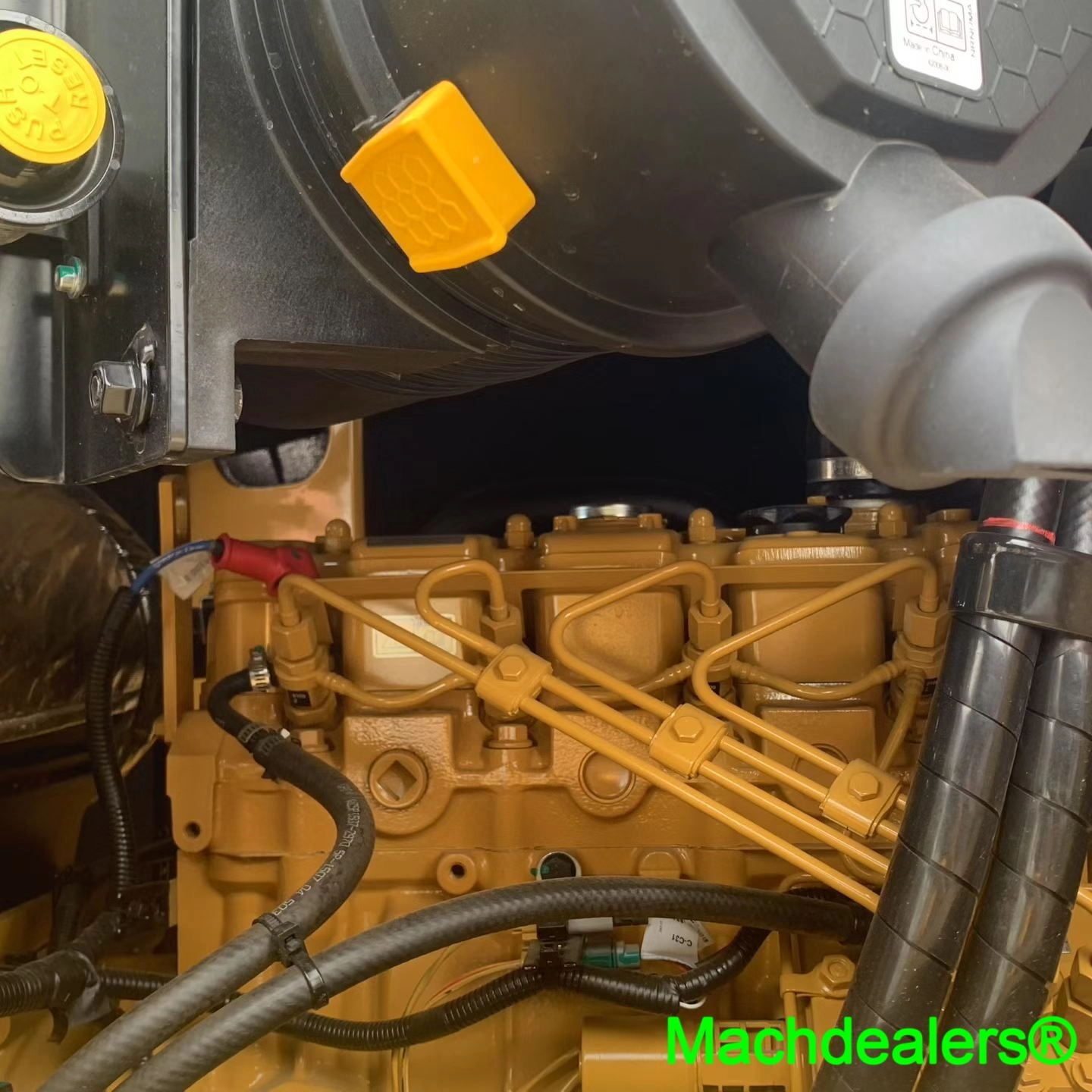
In all honesty, half the clients that I meet when I buy a home can’t discern what year they’re in front of. The 305D CR gets its Mitsubishi S4Q2 Tier 4 Tertiary without any DPF or DOC on the exhaust at all and we don’t get a menu, the whole soot load – and I have seen men trying to find the regeneration history! – The protocol listed above is for the Tier 4 Final, the 305E2 CR powered by C2.4 and the Next Gen 305 CR. If the engine badge on the valve cover is not clear, inspect the can – it either will be there or it won’t. The cat 305 excavator pillar page has the model-year and engine-family separation correct and if it is applicable for the particular machine in question, in front of you, then the generation determines it.
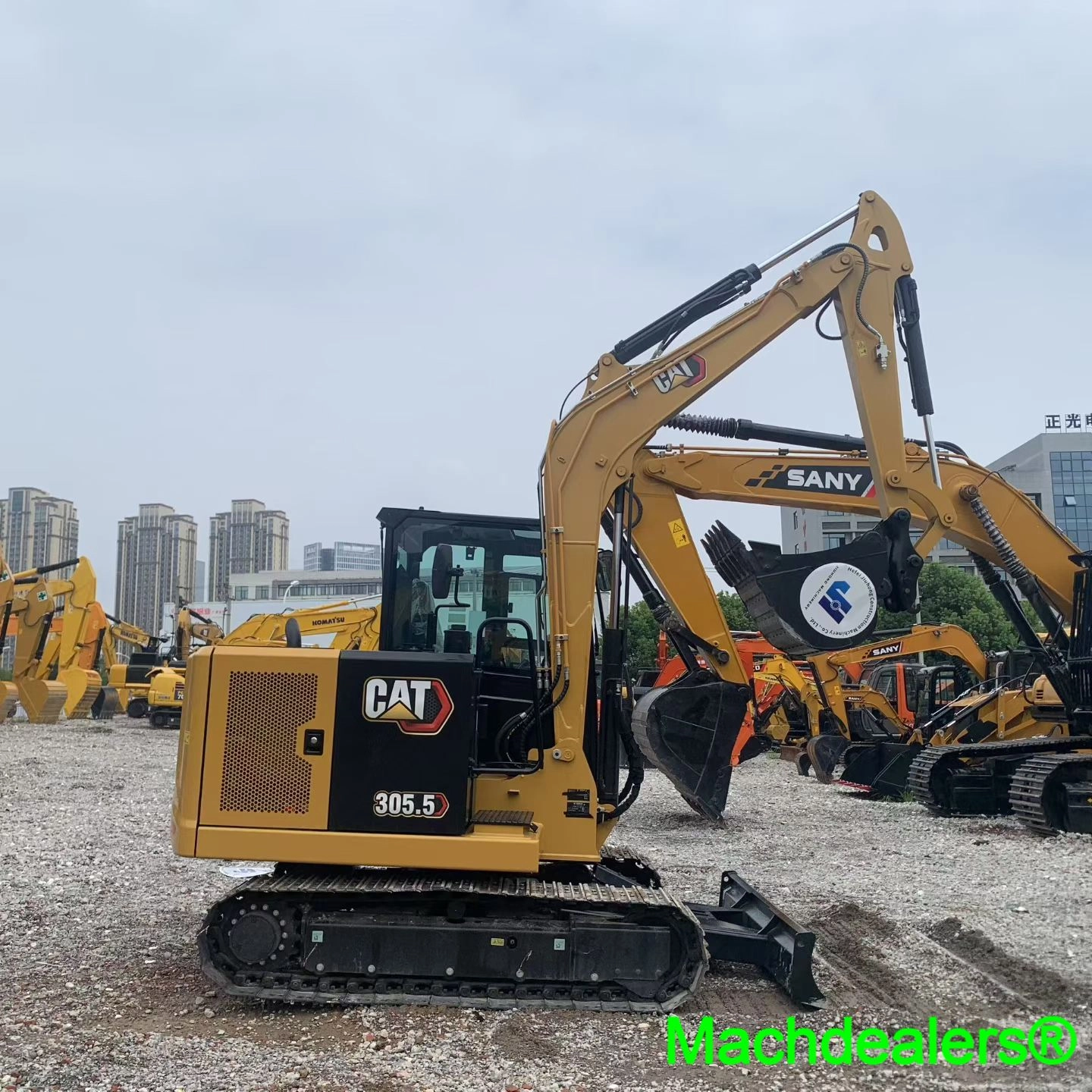
Oil that is just about a centimetre above full
Inspecting the dipstick is the best way to make sure the oil level is optimal; the screen is not as effective in this regard. I took the dipstick out of a 305E2 CR that finish graded most of his life, and wiped it on a rag that I folded over twice, pushed it back in and pulled it out slowly. Oil that is just about a centimetre above full on flat concrete and engine is fully warmed. The detailer was behind me telling me how great it was to get out in the morning! I said nothing yet.
Repeated active regen cycles causing fuel to be diluted into the oil
It is a failure scenario mentioned in CAT’s service literature: oil level increase and diesel smell in the sump will be the issues encountered as a result of repeated active regen cycles causing fuel to be diluted into the oil during thermal cycles as the unburned fuel passes the rings. Not just the death sentence! But it does make a difference in what you pull, and what questions you ask the lab. Corroborating pair: Elevated level, Flat ground (after warmup) and High, long term cycle history. Check the level. Pull a sample. Send it (e-mail, fax or postal mail) before you sign.
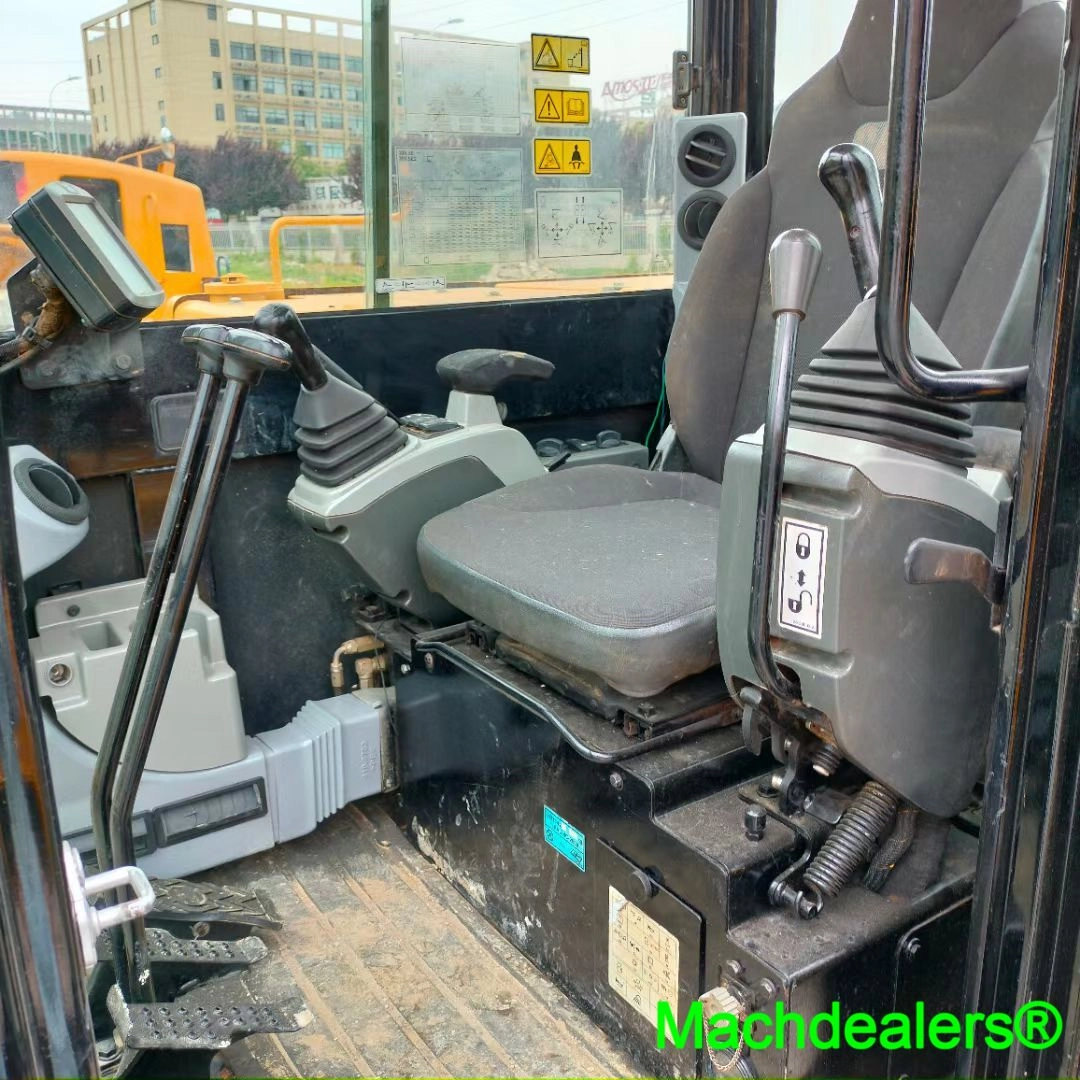
A trace of diesel odour
Then I put my rag with my nose. Well, not very much, not even alarmingly, but definitely in the case of diesel. A trace of diesel odour is no indication by itself: a machine which is run with forced regen this morning, but is idle two hours later, may have a trace and still be a perfect machine. The scent does is it reduces the tale where the history already corresponds saying. When you add to smell, and history is added, that’s different.
That’s a number that you can tell a seller.
I always take a quick look at the regen-events-per-hour ratio prior to closing Cat ET diagnostic software and packing the laptop away. Number of regeneration events logged/total engine run time. That is a healthy value level on a normal Tier 4 Final service that is functioning on a healthy machine. If it is a machine that was set to thermally cycle every few dozen hours, it then wasn’t getting to the regeneration point by default, and the ECM was all along regerating as and when it planned to. That’s a number that you can tell a seller.
The 500 hour silence test
It is the 500 hour silence test that makes sellers present their apprehensive face and it is right so! On a machine that has clearly been putting in the hours over the past 500 working hours, 0 logged implies dead giveaway evidence against zero — or at least a lack of even a reading of the code. On a working Tier 4 Final cat 305 excavator, the regen history log should display a thermal history of the filter (all Passive Events, commanded cycles etc.). If it is silent, then the ECM is wiped or swapped or no one has accessed it since the last software flash. An explanation is needed on all three prior to moving money.
The following letter to every seller
Please read copy of the following letter to every seller you send out: When you arrive is it possible to have the machine warmed up and Cat ET hooked up? I would like to see the aftertreatment screen to “live” scroll through the regen history log and be able to view the time since the last regeneration. Not specifically anything, but just the full picture before we then talk numbers.
When the seller’s hesitation is conveying information, he is giving it to you. One seller opens his laptop and gets a different kind from him – A Seller with Laptop Open with History display news to the Buyer.
The impact Tier 4 Generation has on Resale Value
A 305E2 CR or Next Gen 305 CR that has 3,500 hours with a rising ash floor that doesn’t have any reported ash service and in the history it had a passive threshold very rarely is not the financial proposition the hour meter shows. The cost for ash service is known. Downtime is a cost that we know. Oh, and sampling of oil, checking of filters, maybe even a bit of substrate digging? — this is all land that falls inside what most people would consider a typical 5 year ownership window of the property, and therefore must be part of the negotiations rather than a surprise eighteen months into the home buyer’s ownership.
When I think of that now I remember a thing that did just drive me nuts – less than four thousand hours, in immaculate cosmetic condition in the cab with the service stickers and the owner proud as punch. The floors had been walked up gradually since around hour 800 and, checked against the light-walking use the machine was used for, were loaded with 2–3 times the quantity of ash defined as the predicted load by the manufacturer at intervals. Nothing was broken. It’s been a great day! The buyer would be taking over a long overdue diesel particulate filter (DPF) service.
No invoice to specifically refer to the DPF or aftertreatment system? Ask for and consider the cost of the ash service. There is a payment from someone.
FAQ
The first 15 minutes prior to turning the laptop on
The first 15 minutes prior to turning the laptop on, do this in this order: hand on DPF housing while cold, dipstick on flattest concrete available, rag to nose and then verify the hour meter with the given story. Cold is not a sin. Warm is a claim. When the numbers no longer add up, trust instinct – it is the one thing you brought and that is not something that the seller is able to talk you out of.