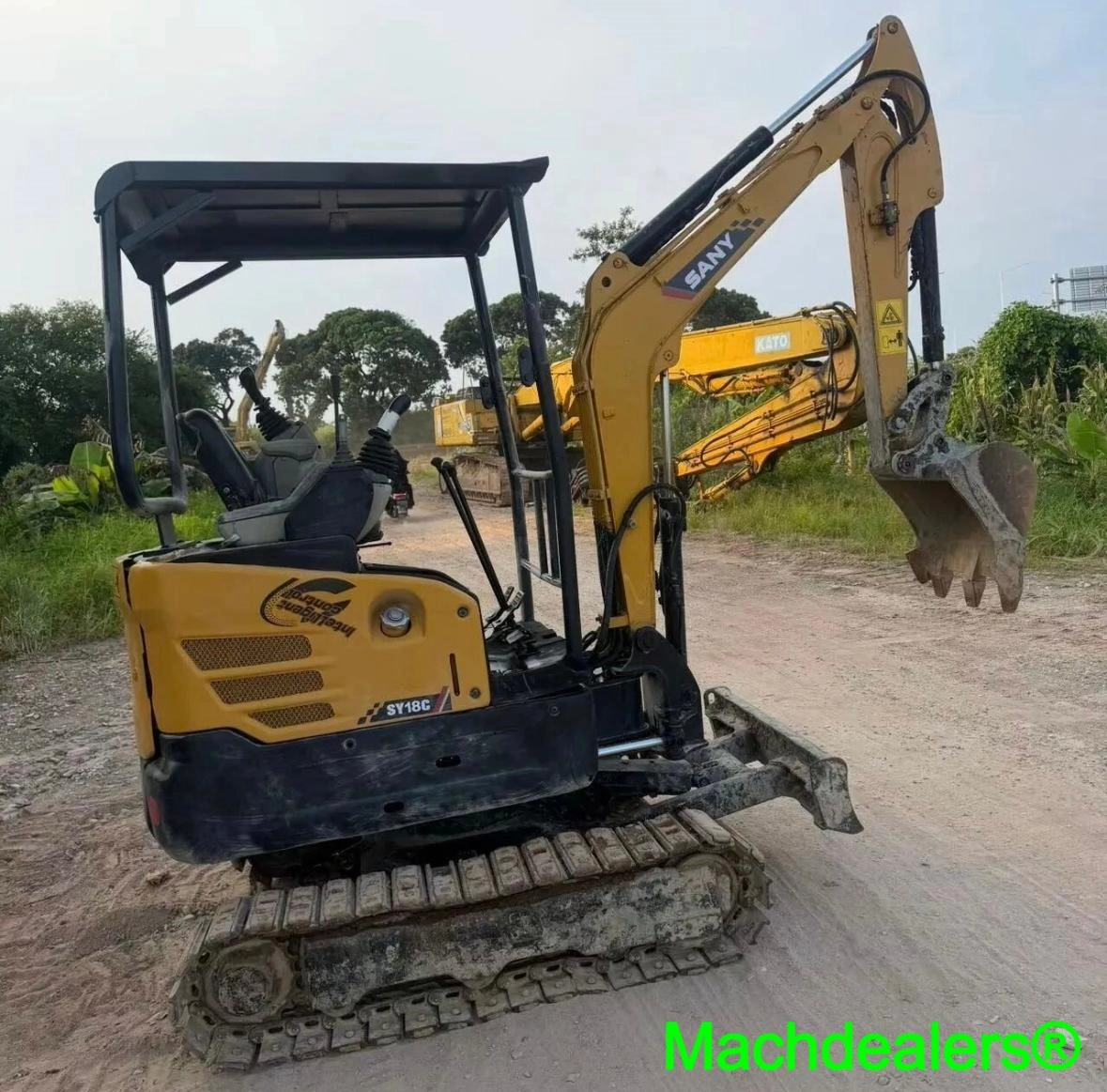

2020 vs 2021 Build-Year Reality on Used Mini Excavators: What the Model-Year Field Does Not Tell You
I cleaned the frame rail with a particular rag of my own that I am sure is long since used up and is basically just lint, but I felt the stamp before I could read it. Shallow. Not deep hammered as a foundry date code is when die is fresh. Having the seller behind me saying “model year” and “like-new condition”, I had already started to ponder on when the casting date was on the boom foot bracket. It turns out the machine was manufactured in late 2019, were left from 80% of the year in a yard, then passed through a trading company and finally came out as a 2021 title as that was the year of first retail sale. Nobody lied, technically. No one told the truth, either.
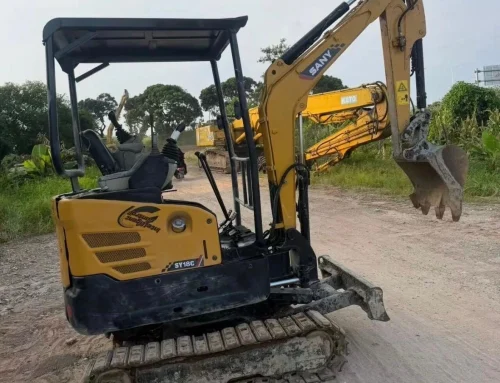
On these types of compact crawler excavators in the 1.5 to 3.5 tonne size, the difference between build date and port-clearance date and first-sale date and whatever year the owner decides to enter into a listing portal varies from a few months to well over a year–and on the SANY SY18C, Bobcat E20Z and LiuGong 9035F the difference is how many actual inflections are involved not cosmetic. Click on the incorrect year and you end up ordering the valuable equipment for the wrong year.
On the morning the machine was a Bobcat 2021, model E20Z. Seller has issued a Spec Sheet from the brand website. Always a bad sign. The spec sheet is a description of a production model and has no indication of the actual contents bolted to the machine in front of you.
There are marks where plates are re-applied. Paint bridging that appears across the edge of the plate from the surface of the frame suggests that the installation was implemented before any final paint–the factory condition. After the paint is applied, a plate is installed and has a clean edge revealing the frame color. Fasteners are important, too—button-head or pan-head’s on these machines, with a uniform paint witness mark; a hex-head seems misplaced in such a spot; take a picture, ask questions.
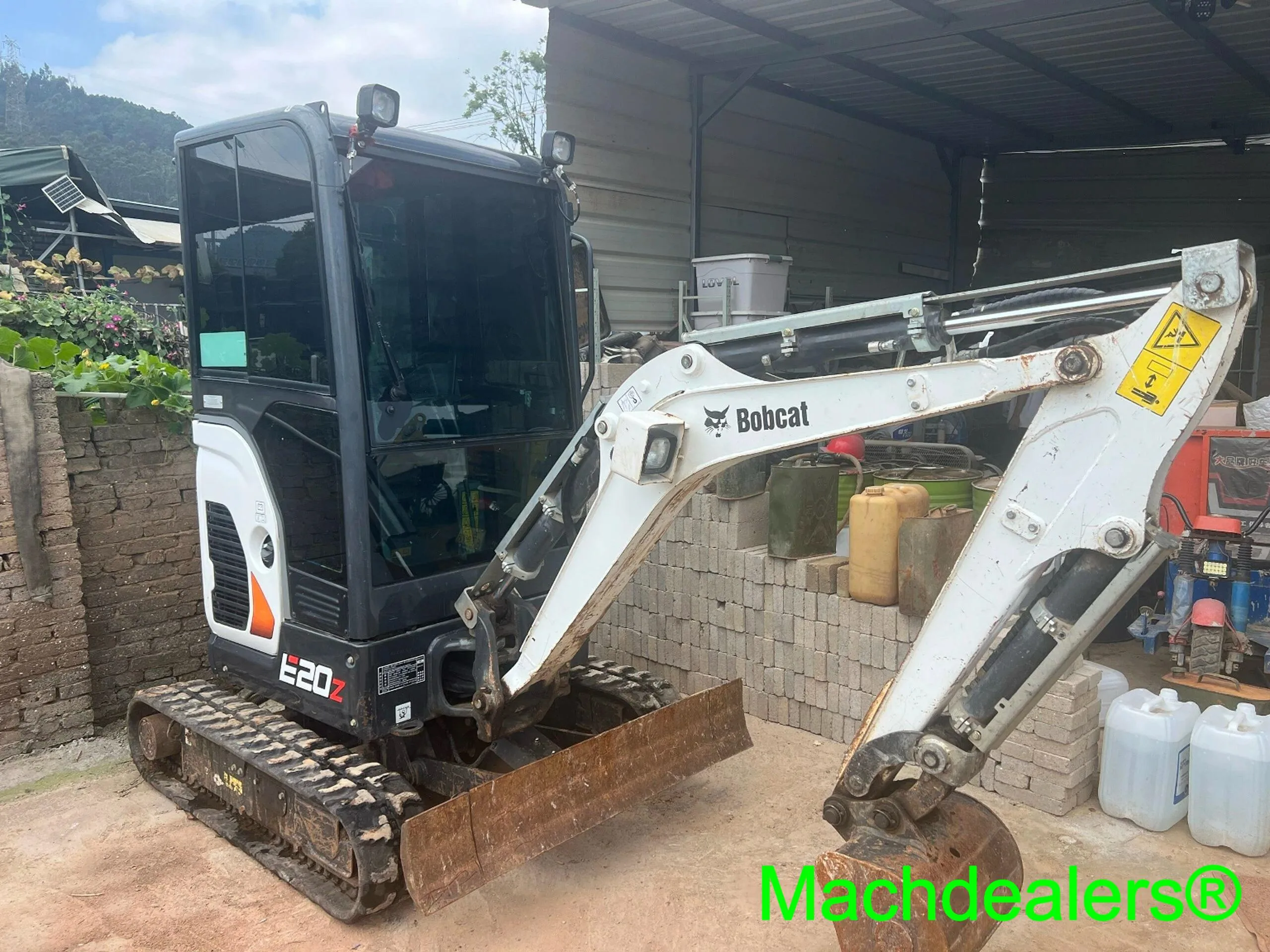
Cast pump & final drive.
Date-of-manufacture is typically stamped on the main hydraulic pump body or bolt on name plate. The inside history contains a week-year Code on its cast iron final drive housing. Early frame plate pump casting is normal sequencing of supply-menus. Any casting after the frame plate is a pump replacement and the discussion of the service history became necessary.
Harness tag dates.
Printed wiring harness tags are found at major junctions–near the main box to the controller, at the boom root and near the battery isoloator. An older harness, pre-dating the frame plate, is indicative of long pre-sale storage.
A clean plate puts a buyer at ease. But a clean plate on a machine whose hoses are chalky and whose boom sounds like a dry door hinge, does the opposite for me.
What was different in those two years—and what wasn’t
In this class, I’m being honest, the difference between the 2020 and 2021 seems like minutae, and the difference is anything but. Ultimately it’s about what impacts an operating cost in the four- to six-year time frame.
Now the hoses. I’ll stay here a moment longer as it’s one thing buyers tend not to read enough and one thing that has caught out the ugliest of surprises.
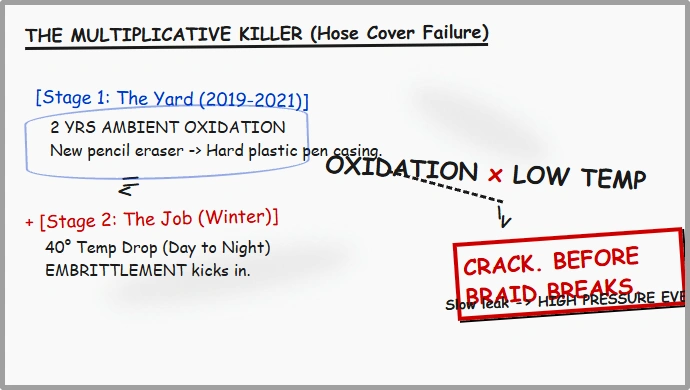
A production window for hydraulic hoses in this class coincided with the production window 2020-2021 of some lines as a result of changes in material sourcing, and operating-temperature requirements caused by the introduction of the new emissions hardware. The difference lies with the practical aspects of the ageing of the outer cover. Grasp a large diameter hose pipe (main pressure hose, from pump to block in control valve) with your thumb. Over the course of service life, (on a reasonably stored machine) the covering should have the same qualities as the surface of a new pencil eraser with no retraction or bloom, and a little give. The best and most common oxidation film is not chalk-like white or grey, nor does it feel harder than a plastic pen casing when flexed between your fingers—that means plasticizer migration is more than what is considered normal aging for the film; at that point, the cover cracks with flexing before the reinforcement braid even breaks, and the crack failure progression goes from a slow leak to a higher pressure event.
The “build year” is significant as late 2019-built and sold in 2021 would have two extra years of “ambient oxidation” prior to first use, plus service hours. A hose that feels like pencil eraser in July would be a hose we wouldn’t trust in January when temperatures drop 40 degrees from day to night and low temperatures add embrittlement to an already hot hose — my experience of working in high temperature environments, age-oxidation and the cycle of low temp is not additive, it is multiplicative past a certain point.
Data sources for the table above:https://parts.cat.com/zh-TW/catcorp/487-1758