
CAT 320D vs 320D2L Used — What the Year Gap Actually Costs You in Emissions Compliance
The buyer thought that model year improvements and emission compliance go hand in hand, as on the gears of the same axle. I know many companies who do this and in almost every deal I have ever been involved with I have seen that assumption is wrong and thus parked 30 tonne of yellow iron on a gate while a man in an office didn’t bother picking up his telephone.
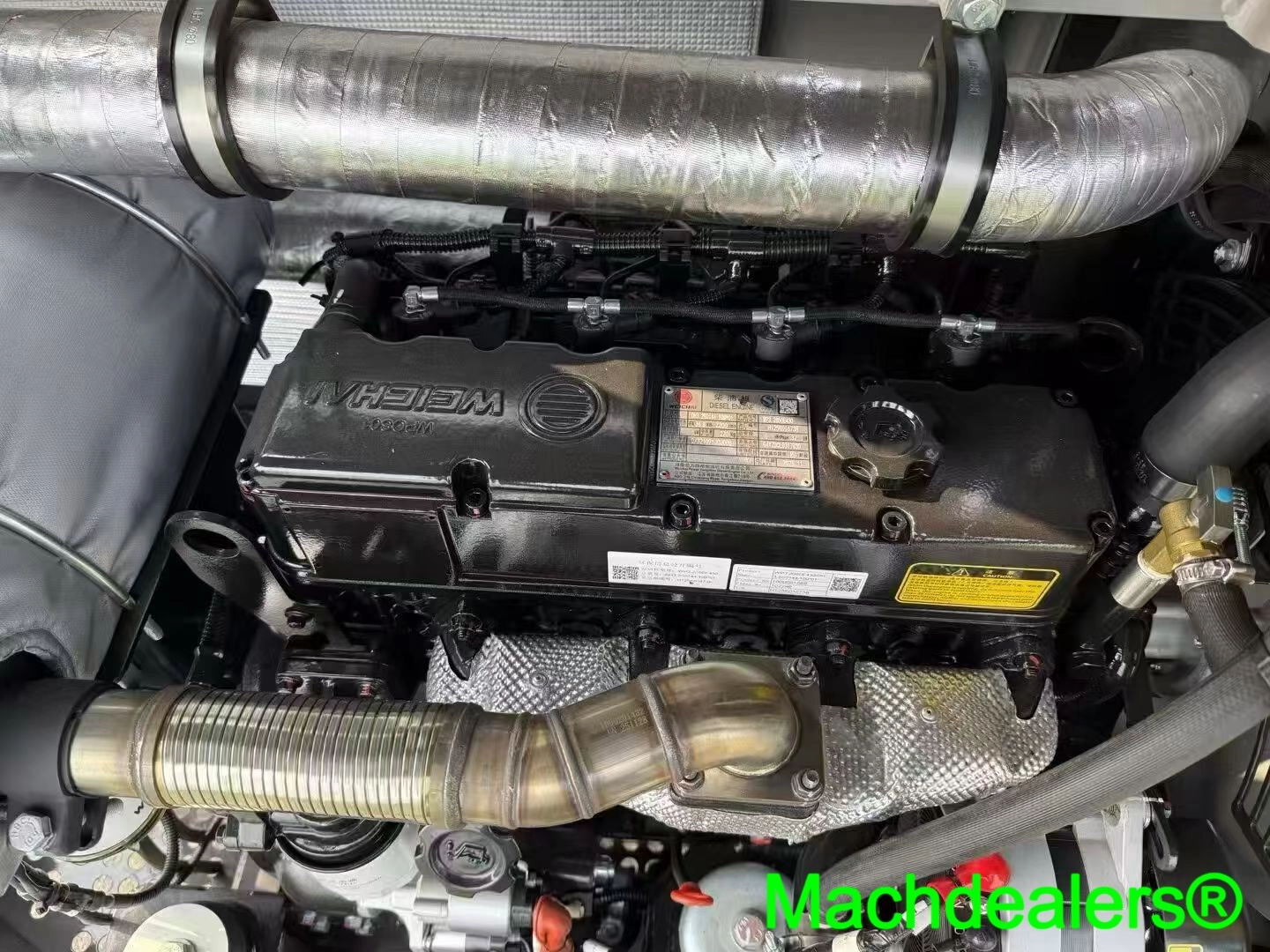
I was doing just that with this machine. Well, the numbers below the manifold were the date of the pour, long prior to the year posted on the sticker (No fraud! — it’s inventory!)
The 2011 320D carries a 6.4-litre six.
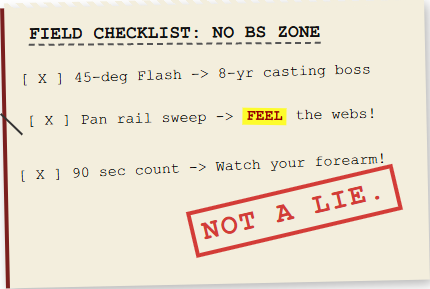
The first honest—and measurable index–is that displacement step; it’s not something that has to be read in a brochure, but it can be determined just by looking at casting height and routing. When hand sliding from the forward housing to the flywheel housing, you can feel the area where the later casting has more metal rolled around the main bearing webs…not by a lot, or objectifiable by a photo, but there is enough of a difference that your knuckles will feel different when sliding over the pan rail. The difference is hidden on the first time buyer as clean means modern to them, and a clean six-cylinder is displayed to them. To me, it is the first of a string of checkpoints I run each time: “under the 2016 sticker is not a lie,” as it is a market configuration and customs really rejects market configurations.
Data sources for the table above:https://www.cat.com/en_US/articles/customer-stories/oil-gas/myth-buster-tier-4-final-doesnt-always-equal-urea.html
The two generations are distinct from each other but separated by the fuel system which you can almost touch.
In the latter configuration you see the normal rail and the individual high pressure lines going to each cylinder, and the intimate way the harness is wrapped around the intake manifold – close, tight, and if you want to get them wet, you would be tempted by the standoff that would neatly slice your forearm off if you looked at it without gloved hands. And with a half eaten sandwich I learned it, which helped none but why I remember the cut!
Discard the model number, and number the probes.
The entire process is that. Open side panel, trace back the pipe from the manifold and count the number that passes through the manifold. There is never a lie in the number of probes and it only takes 90 seconds. On Tier 4 Final arrangements the geometry is sufficient to not be able to miss it once you know its ‘why’ and ‘where’. This can is longer and fattier, because down stream of the can is a selective catalytic reduction brick, which requires a urea solution to be injected into the gas stream in front of it and the DPF must have sufficient volume to accommodate soot capacity. It involves a small modular flange which bolts up onto a line for the coolant with a hanging electrical connector and somewhere on the frame a receptacle for the reagent liquid. No tank, no SCR. No SCR, no Tier 4 Final – whatever color the paint is. What I have seen are sales photos obviously set up to avoid showing this area of the machine! I’ve also seen a dealer, who’s just been very honest and they don’t know!
The same piece of physical machine can be acceptable in one country, and not acceptable in the next; it’s not the engine size that is the problem!
It is the attitude of the regulator of the country the product is going to that refers to the priority of “first place on market” versus continuation of use. Often times, older units already in a jurisdiction are tolerated or even encouraged to continue to operate, but if it is a unit crossing a border today, they are subjected to the limit in that jurisdiction today. That’s when importers are caught off guard by that and that’s their worst enemy.

Eligibility Matrix (Reject/Retrofit/roll through)
I won’t mince it, it’s a fact, port practice differs from written law and evolves quicker than written takes notice of. I have seen a machine being able to clear a gate on Tuesday which the same officer would have denied on Thursday the previous day without any law changing, just because a circular was issued. Those who say the matrix is stable are selling some snake oil.
Honestly, it’s the jurisdictions that present a solid “no” that are easy.
If it doesn’t get accepted it is rejected outright, with freight and time penalties.
The markets that are retrofit – they are worse, because they are hopeful.
A “conversion” where the inspector agrees but the registry does not, results in a machine which fails to meet the selling criterion or be rented to a tiered project and cannot easily be exported back out at anything close to the moneys you paid. I have seen that state on a unit that was in behind a shop building for 11 months, weekly being powered up and started (just because it could be), which is costly way to maintain a machine.
But what a Broker means by “Should Be Fine.”
It translates to the broker is an unread label. It is not misrepresentation per se, but rather is more of a passing the buck exercise, and why it remains is due to buyers wanting to hear it and failure occurring weeks later at some border neither the buyer nor seller would be at.
There are two questions which compel a simple answer.
The Get Line Past The Line Rule – What Happens When You Try to Retrofit Your Way Past the Line?
When I reached my hands toward the dosing module it was coming loose in my hand before I had even had the chance to remove it, which meant that either the flange bolts had previously been touched or my estimation of the hefty job was completely thrown off. Oh, happy me, while writing this a bizarre case comes to mind of a guy who purchased 2 machines off the same ship, read the instructions on the label for one of them, and assumed that the second was the same since they came from the same ship. It did not match. This was witnessed prior to an inspector.
To anyone who has converted, often the parts and labor costs are not an issue; the paperwork is.
Also, the “can” needs some sort of “home,” and on a 320 class machine the “home” behind the counterweight is shared by the hydraulic cooler, the battery box and the fuel tank; so the “can” placement solution translates to lines moving, brackets being fabricated and finally accepting the service access from the rear, which you have been taking for granted for 10 years and now needs two people. The dosing module must have a specific face angle and distance from the catalyst face as gains of ammonia by walls will be “deposits” and will not be chemical reactions. The reagent tank must provide volume; have a LPD; be equipped with a level sensor; and have a heating circuit if the machine is to be used anywhere that it can freeze.
Then the calibration question?
If you convert a machine, the control must be aware that a filter is installed, or it will not control regeneration, and won’t derate properly when the filter is loaded. It is most often this is where these projects fail – not at the welder, but at the laptop, does it exist from that supplier in that market? I have seen the good craftsman make a fine installation, but it was ALWAYS a bad idea, since no strategy for that code of the engine existed.
The arithmetic starts with a conversion scope plus risk of registration over the premium of machine built compliant and finished with a certification file from the machine manufacturer.
That premium is very real and not just in the eyes of a beholder, it’ll be reflected on the sticker. The retrofit dollars will not appear out in the open, since they’re contingency dollars; and possibility will not fit nicely in a comparison table. As you can tell, I have a less elaborate rule of thumb: If the destination is a regulated gate and the unit is Tier 3, the conversion makes sense only when it is one of the recognized types for this type of conversion, the conversion documentation chain is intact (from a recognised installer) and one is able to afford the assumption of getting the timing wrong. Use any one and you are NOT buying a machine. You are in the midst of negotiating an argument with a customs office.
The first three numbers pull together – they must have been photographed together – or any one of them alone, taken from an independent photograph is not proof – I have seen one off the one machine being used as proof for the other.
After that the exhaust walk. Only after that – talk money. Most people who buy will do just that backwards. They price the machine, negotiate and check last when everyone has invested the deposit and a machine inspection is a must to not fail. That order will be a burden on the economy’s risk-poorest party.