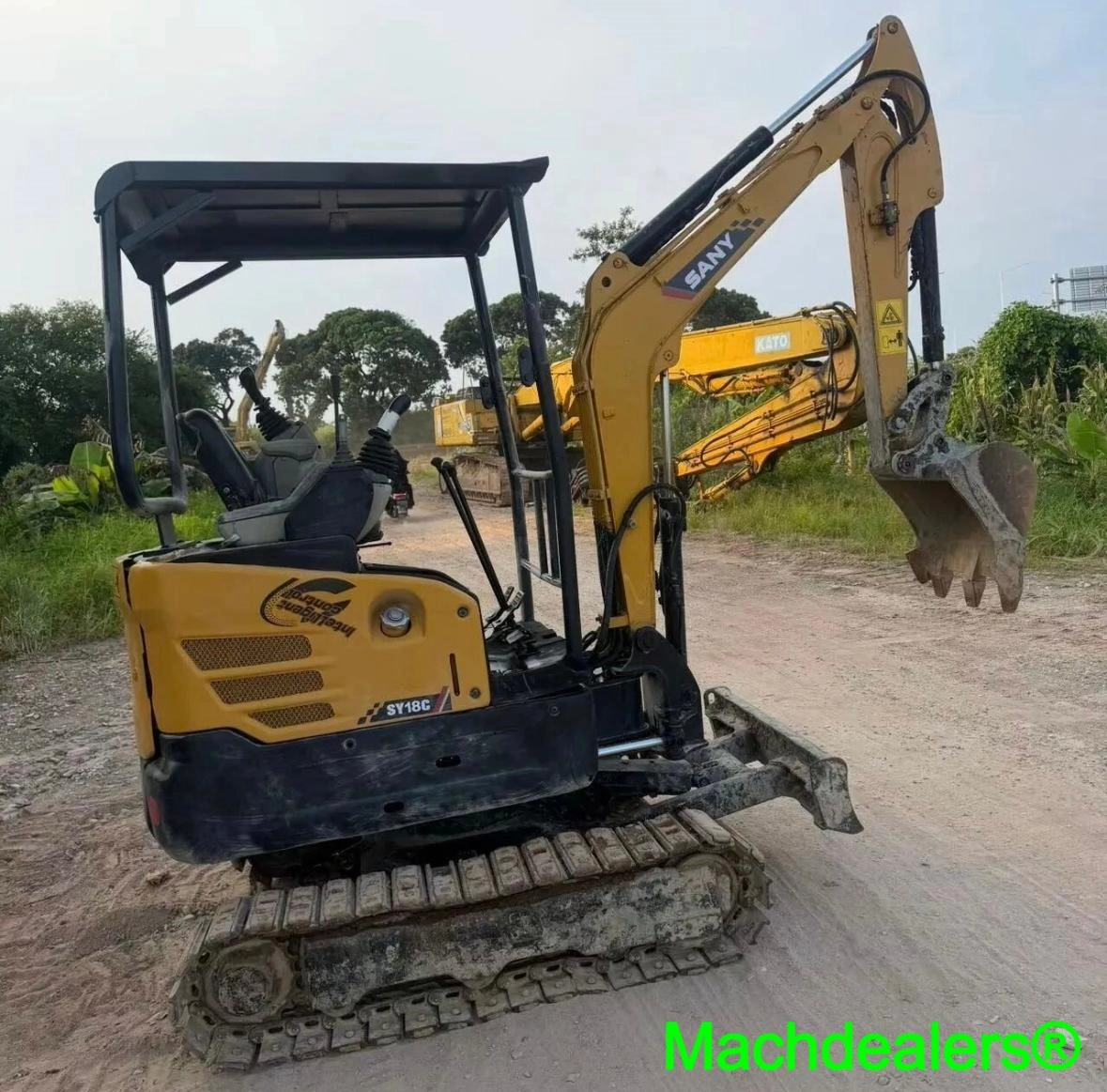

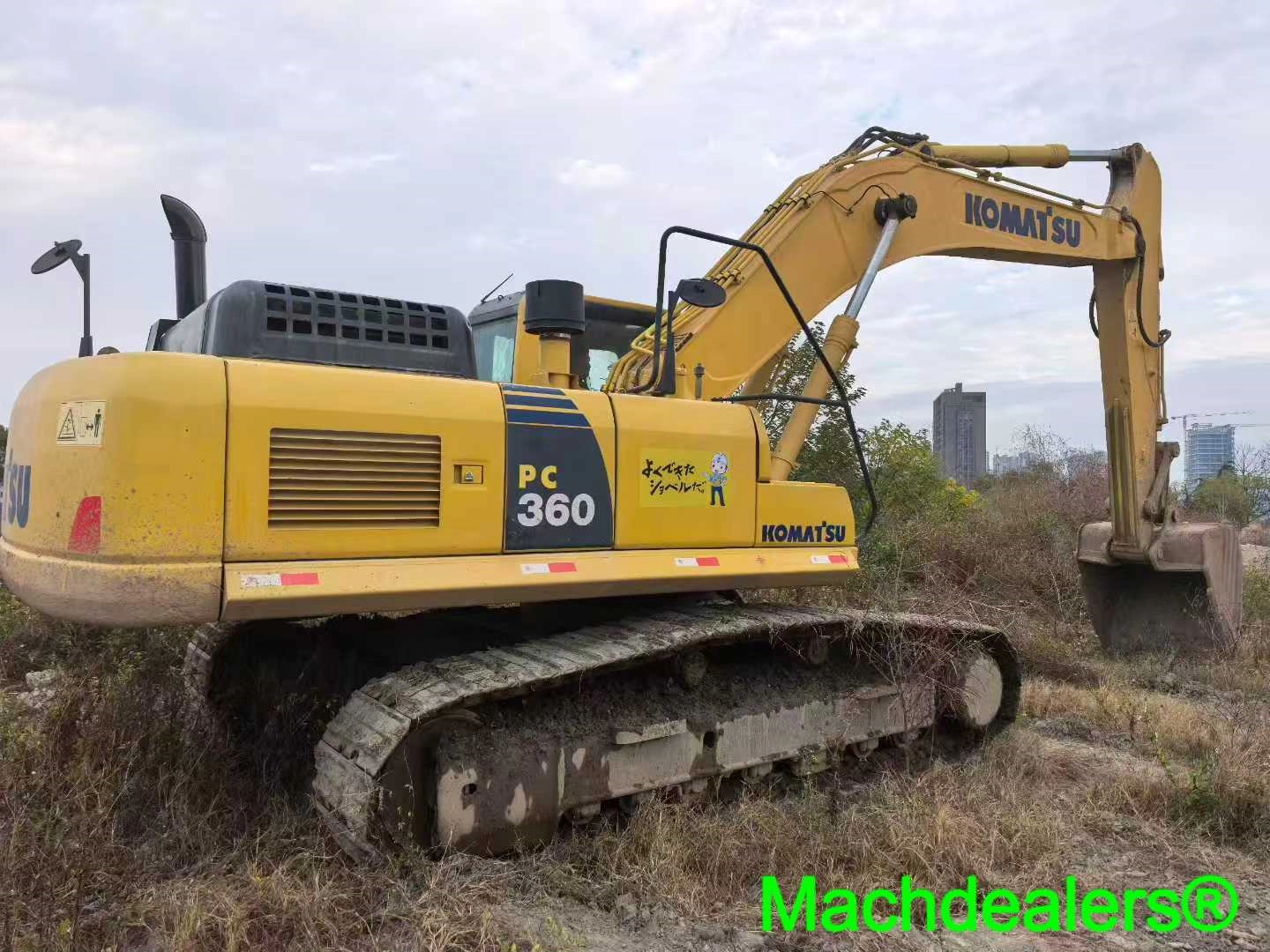
PC450 and PC200 Buyers: Why KOMTRAX Activation Status Determines Resale Value
Someone had swapped the instrument cluster two years prior—probably after a vandalism incident or a fire in the cab. The replacement cluster came from a parts machine with 4,200 fewer hours.
I’ve seen buyers walk away from excavators that looked showroom-clean because the KOMTRAX activation page threw a warning code. Just a yellow triangle that said “partial sync history.” That’s enough to spook institutional buyers—rental houses, municipal fleets, anyone who answers to a procurement committee.
I crouched down next to that PC450 in Tulsa and ran my hand along the underside of the instrument panel. The mounting bracket had fresh scratches. But they told me someone had been inside that dash recently, and not for a routine bulb replacement.

The seller’s printout showed 11,400 hours. Clean ascending curve. But when the buyer’s tech logged into the web portal using the machine’s 17-digit ID, the server showed 11,380 hours and a sync interruption from March to May of the previous year. During that window, no data. Either the machine was powered down for sixty consecutive days—which makes no economic sense for a PC450 in active service—or someone disabled the KOMTRAX unit.
I asked the seller’s rep if he had the service ticket for the cluster replacement. He didn’t. Said the previous owner handled it.
When Komatsu installs KOMTRAX at the Chattanooga or Newberry plants, the system controller gets hardwired into the machine’s CAN bus before the upper structure even meets the undercarriage. The wiring harness runs through factory-specified conduit paths, zip-tied at intervals that match the service manual’s torque and routing specs.
First place I check: the wire loom exit point behind the cab. Half the time, the installer just drills a new hole and seals it with silicone. I can spot that in under ten seconds with a flashlight.
Second place: the CAN bus splice. Factory integration means the KOMTRAX controller is a node on the existing bus—no interruption, no splicing, just a parallel tap at a designated breakout point on the main harness. If the crimp isn’t perfect—if there’s even a tiny bit of moisture intrusion or if the installer used a generic crimp die instead of the Molex-spec tool—you get intermittent packet loss.
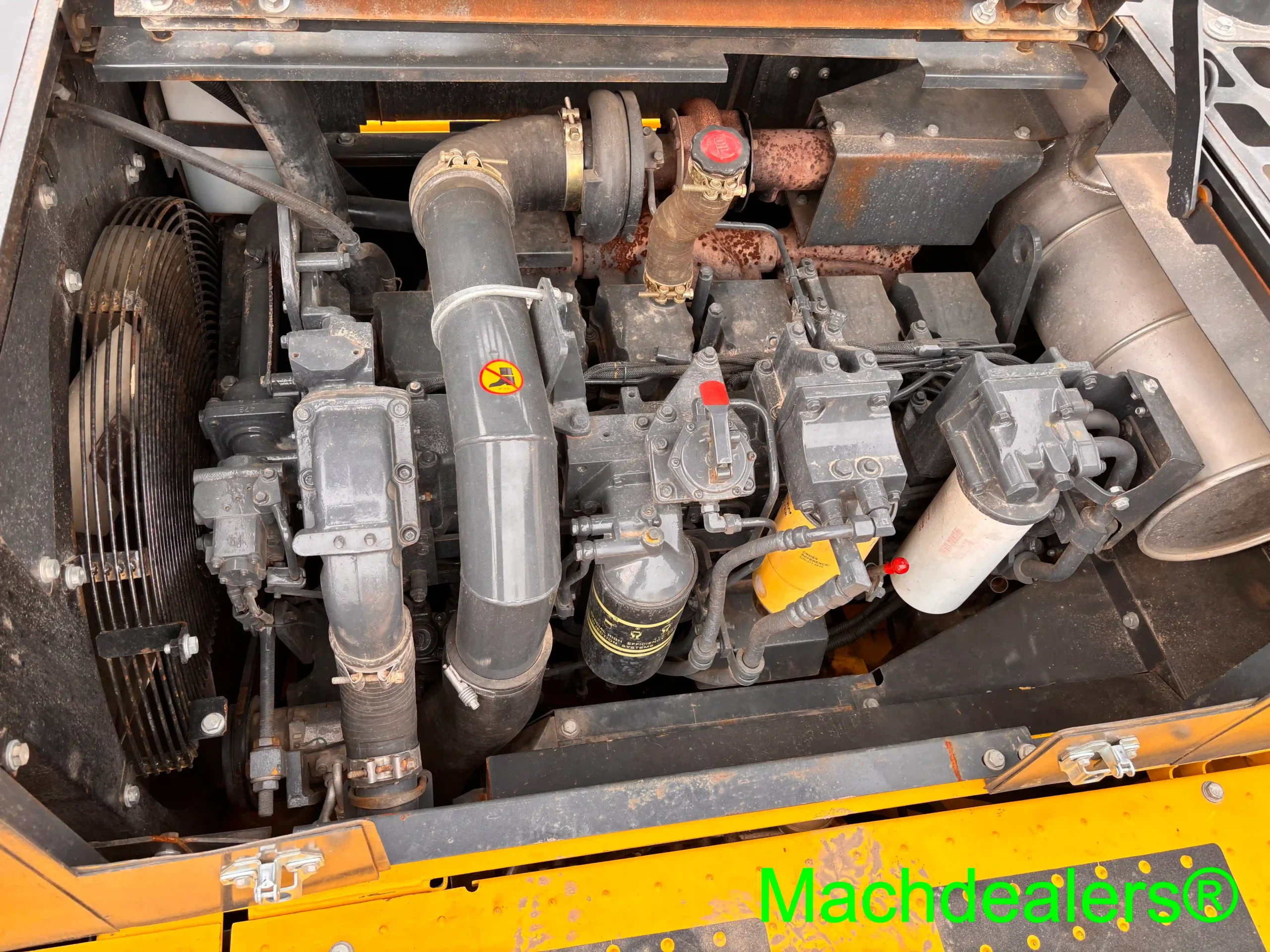
I pulled a connector apart on a retrofitted PC200-8M0 last year and found corrosion on three pins. Green and white crystals spreading across the copper. The machine had been working in a coastal demolition project, so salt air was eating the splice. The owner had no idea. But when he tried to sell the machine through an auction house, the buyer’s due diligence team ran a telemetry continuity check and saw a 19-day data dropout. The buyer knocked fifteen thousand off the offer, and the seller had no leverage to argue.
Buyers won’t release funds until their analyst logs into the Komatsu server, pulls the machine’s telemetry record in real time, and screenshots the activation status page with a timestamp. I’ve watched transactions stall for three days because the seller’s KOMTRAX subscription had lapsed and the server wouldn’t serve up current data.
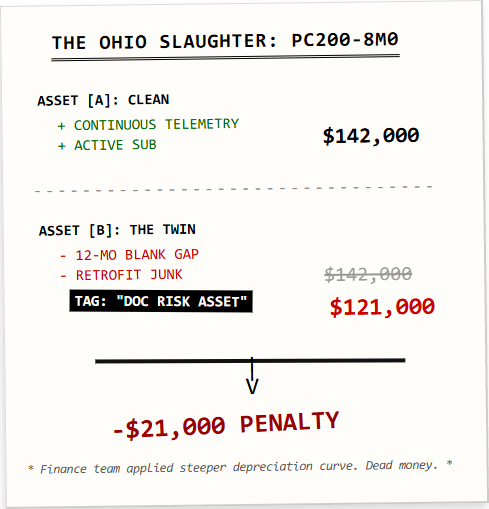
A 2018 PC200-8M0 with continuous telemetry and an active subscription sold for $142K at a Ritchie Bros. event in Ohio last fall. Two weeks later, a nearly identical machine—same hours, same bucket, same undercarriage wear—sold for $121K. The second one had a twelve-month telemetry gap and a retrofit KOMTRAX unit that the buyer’s analyst couldn’t fully authenticate.
Data sources for the table above:https://www.rbauction.com/cp/flatbed-trucks
What I’ve noticed is that institutional buyers—the ones who run fleets of thirty or forty machines—apply a binary filter now: KOMTRAX-verified or not. They’ll still buy it, but it gets classified as a “documentation risk” asset, and the finance team applies a steeper depreciation curve.
Before any serious money moves, the buyer’s analyst—or sometimes a third-party verification service—logs into the owner’s KOMTRAX account, navigates to the machine’s profile page, and confirms three things: active subscription, continuous sync history, and alignment between the server’s cumulative hour count and the cluster reading. If even one is off, the buyer either renegotiates or walks.
I’ve started advising sellers to generate a fresh telemetry report forty-eight hours before listing a machine. A live-pulled report with the current date visible in the header.
Three years ago, I had a client buy a PC450-7 from a dealer in the Midwest without a full telemetry audit. Checked the undercarriage. Pulled oil samples. Everything looked solid. The dealer provided a KOMTRAX printout showing 9,200 hours. My client wired the money.
Six months later, he tried to trade the machine in on a newer model, and the dealer’s appraiser pulled the telemetry history. The server showed 13,800 hours. Someone had reset the instrument cluster. Probably during an engine overhaul. The ECM’s internal hour counter—which can’t be reset without dealer-level software and a very deliberate act of fraud—told the real story.
I get the machine’s serial number and the seller’s KOMTRAX login credentials. If the seller won’t provide credentials, I ask them to generate a share link with read-only access. If they refuse that, I assume they’re hiding something and advise my client to walk.
I log into the web portal and pull the machine’s complete event log. The granular log that shows every ignition cycle, every fault code, every time the machine went into idle shutdown mode. If the machine allegedly sat idle for two months but the log shows daily startups, someone’s editing the narrative.
Factory mounts use a specific thread pitch and a rubber isolator with a Komatsu logo. Retrofit mounts use generic hardware. I’ve seen aftermarket antennas held down with roofing screws.
I check the ECM’s case seal. If that sticker is torn, peeling, or replaced with a generic label, the ECM has been opened. But if the seller can’t produce a service record explaining why the seal was broken, I treat the machine’s hour count as unverifiable.
I inspected a PC200-8 last month that had zero dust inside the engine bay. The battery terminals were spotless. The wiring looms looked like they’d been wiped down with ArmorAll. That’s not normal for a machine with 7,000 hours in a quarry environment.
I asked the seller’s site manager when the machine was last detailed. He said three days ago. So I pulled the cab floor mat—just lifted it up and looked at the subfloor—and found a fine layer of rust dust packed into the ribbing of the steel panel. That dust had been there for years.
I ran the KOMTRAX log and found a two-month sync gap from the previous winter. Seller said the machine was in a valley with no cell coverage. But when I cross-referenced the GPS breadcrumb data that KOMTRAX does log even during offline periods, the machine hadn’t moved during those two months. Just sat in one spot. That’s consistent with either a major repair or a cluster swap.