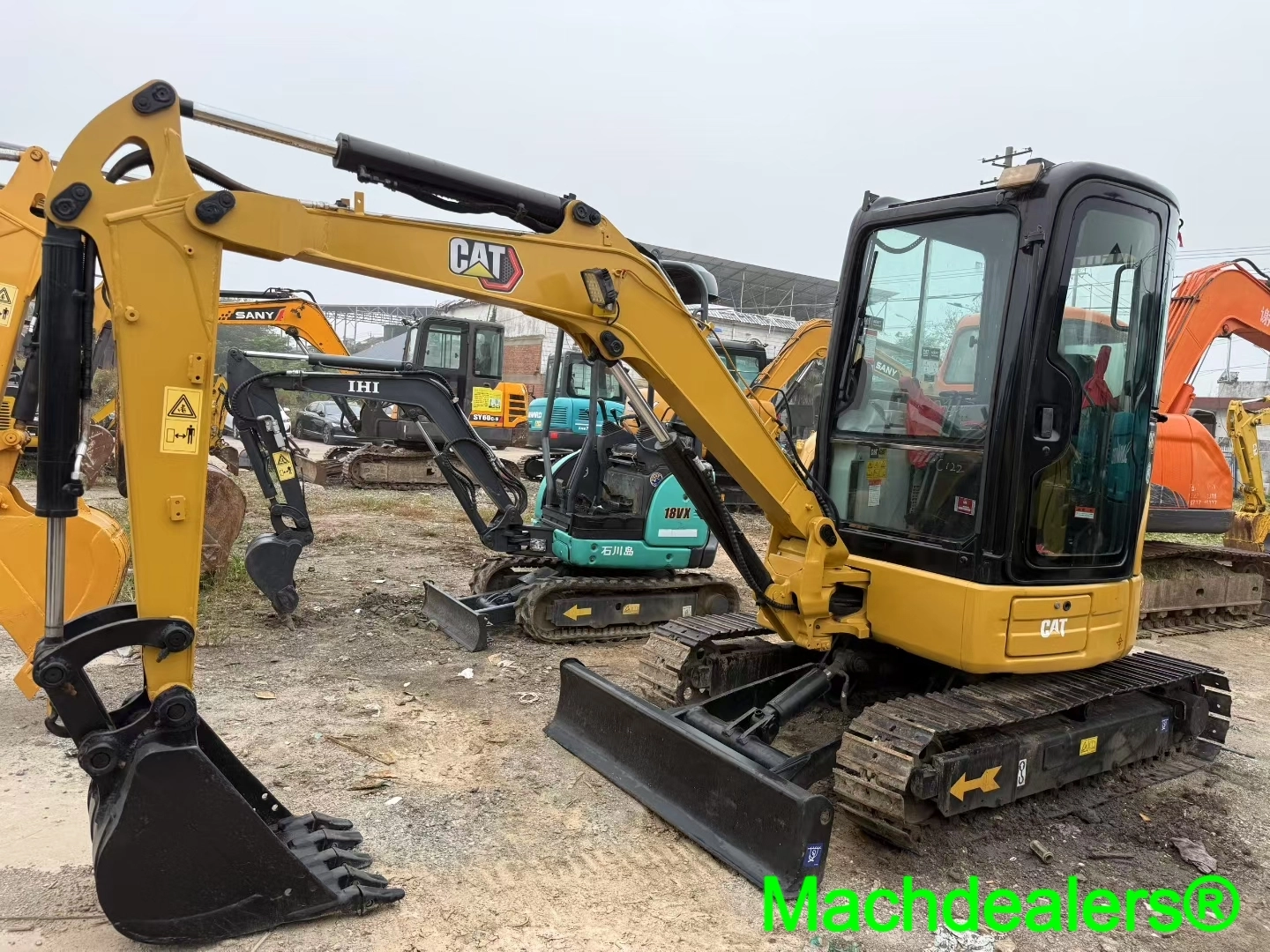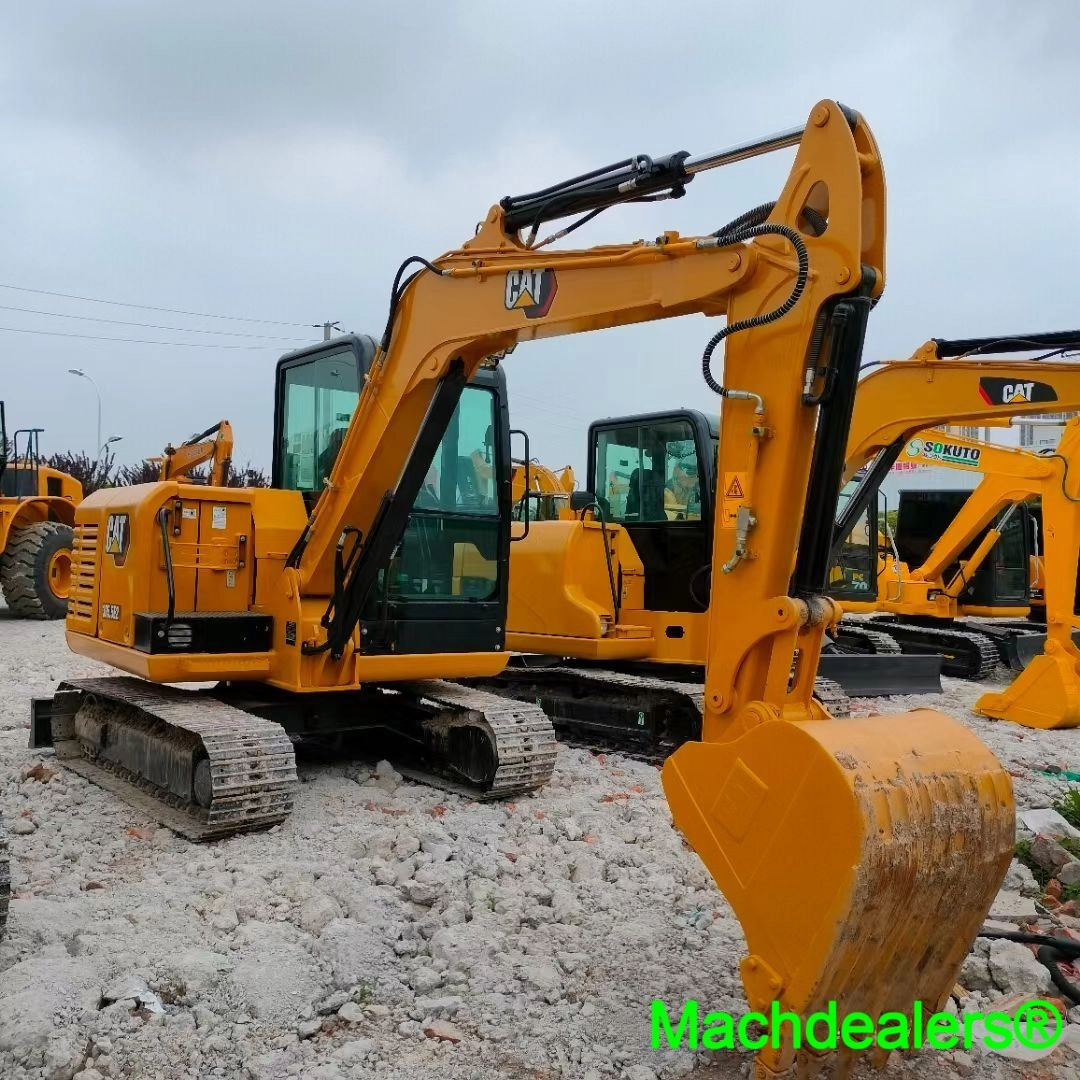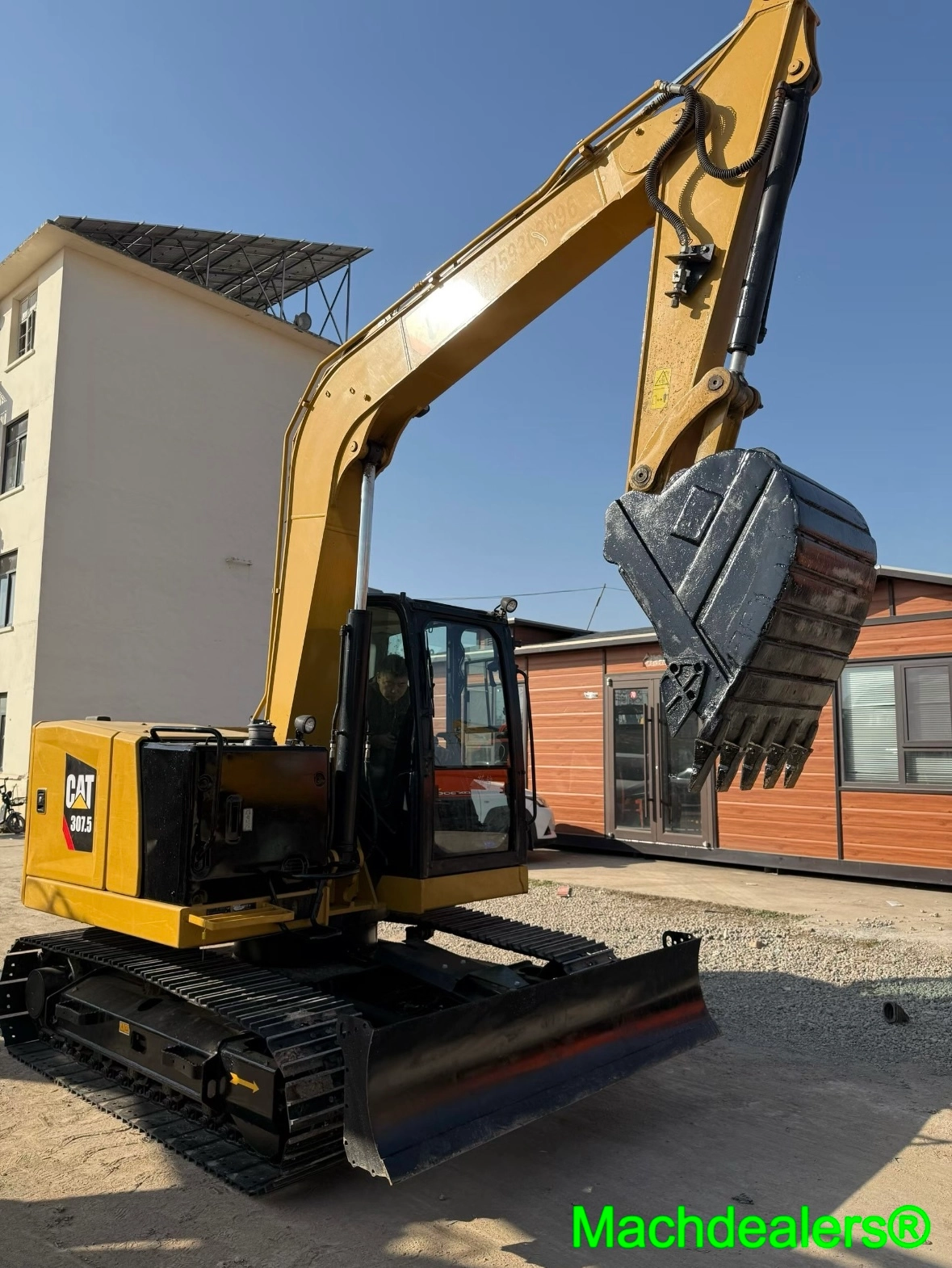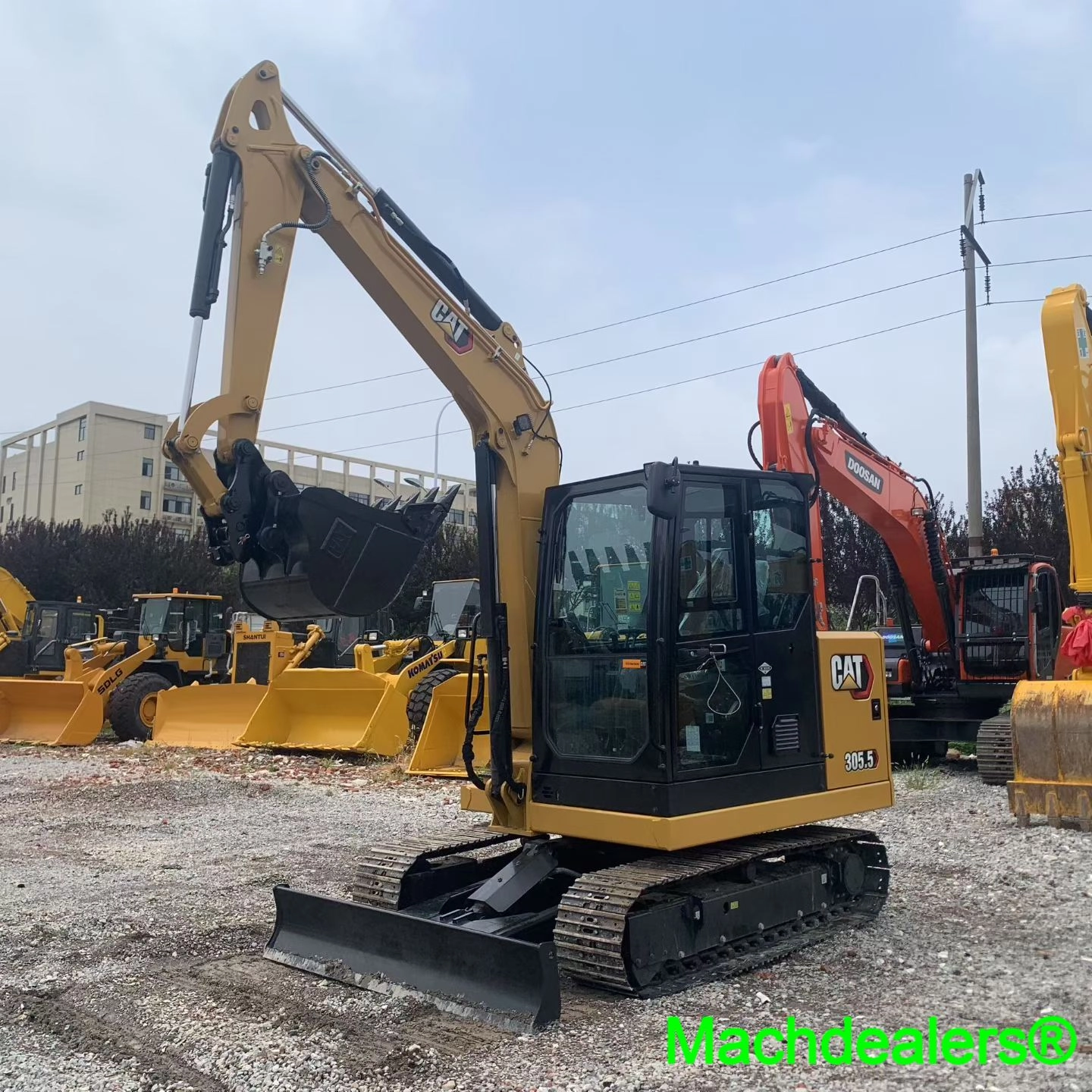

CAT 303.5E vs 305.5E2 vs 307.5 vs 305.5 — Which Used Unit Carries the Lowest Hidden-Hours Risk
Identifying Rolled-Back Hour Meters on Used CAT Mini Excavators: A Field Guide
The 2020 CAT 303.5E: Peak Resale Churn Window
The 2020 CAT 303.5E is in the “Peak Resale Churn Window” for several reasons. The new module used later DPF logic, units from prior to October 2019 used the older DPF logic. High supply. High turnover.
Physical Tells for Verifying True Hours on a 303.5E
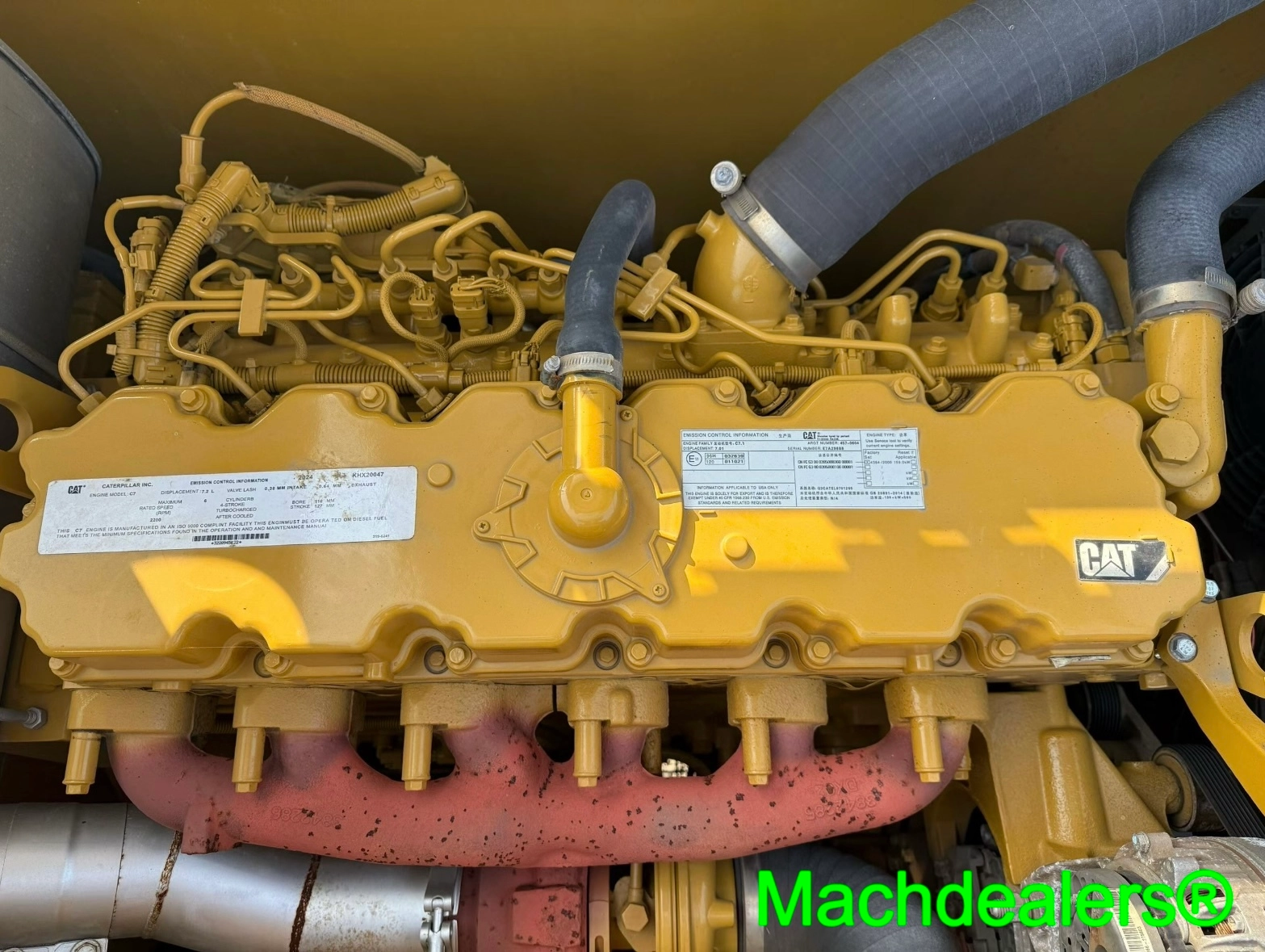
I’m not a big fan of hour meter. Never have. My initial mode of investigation is to open the engine bay and check out the turbocharger’s compressor wheel. A flashlight is required and one’s face must be close enough to see the leading edge of the blades. Obviously it’s the rubber boot which seals the stick control linkage where it enters the operators cabin. I have seen 1,200 hour units with no cracking at all as all they’ve done is live in Oregon. That would indicate that this machine was laid up in Phoenix rental yard for two consecutive summers or that it has in fact 3,200+ hours and someone is lying. None of these can be reset with a laptop and CAN bus adaptor: turbo blades, linkage boot or weld patina on the frame rails.
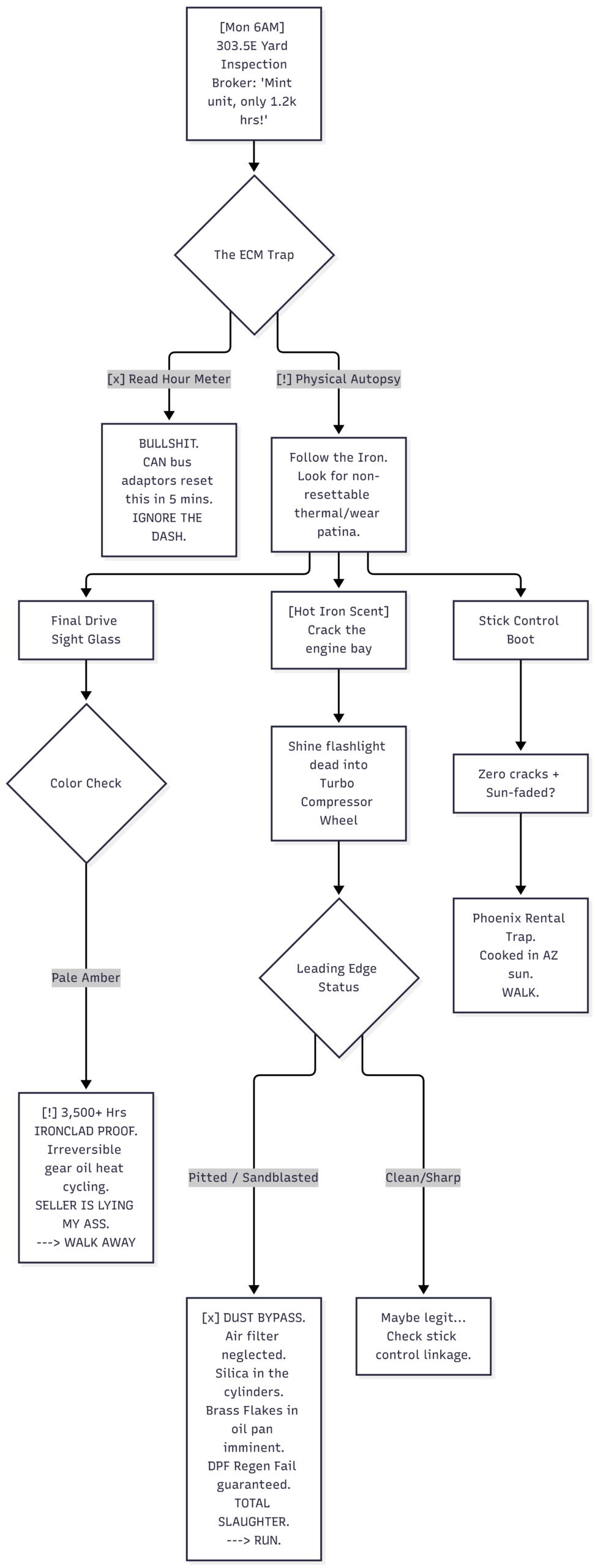
Data sources for the table above:https://www.cat.com/en_US/products/used/blog/how-to-inspect-used-equipment-before-buying.html
Scenario One: Craigslist or Small Dealer Without Inspection Access
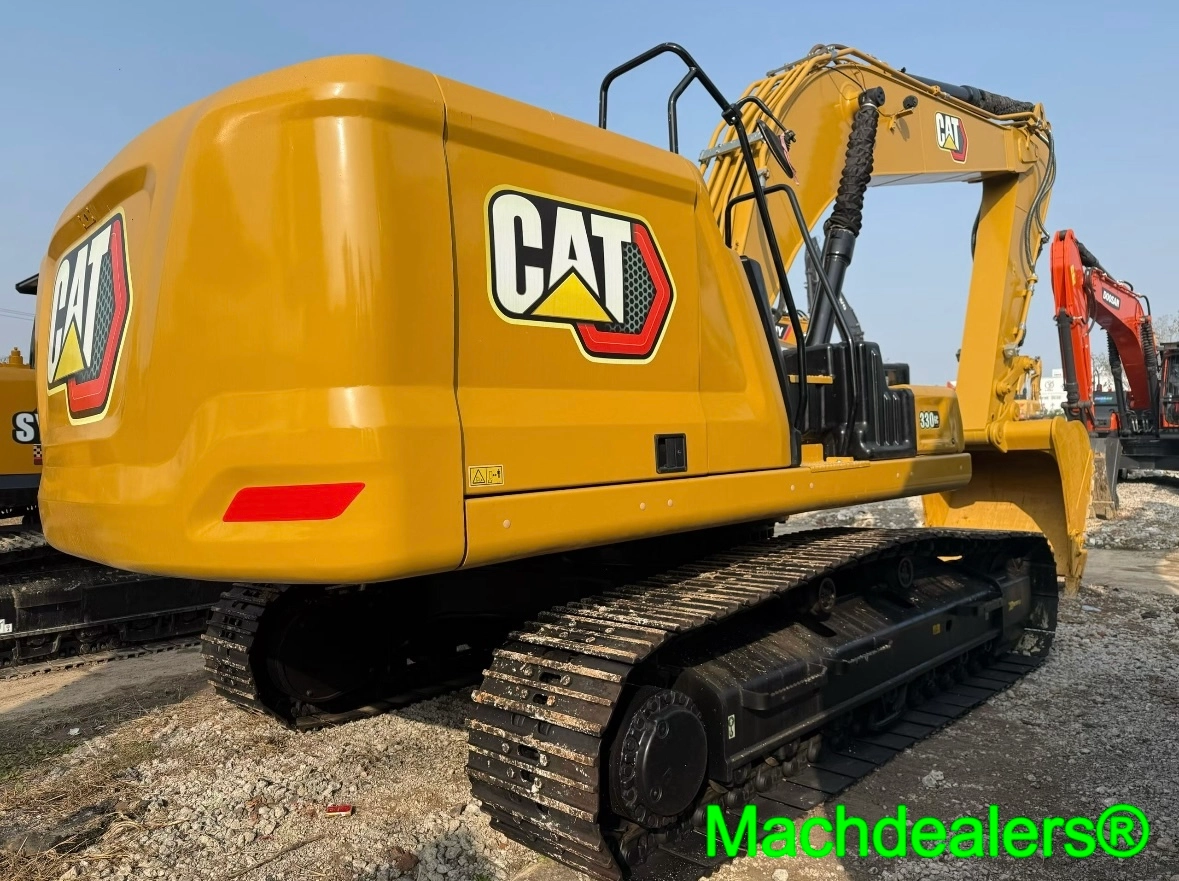
There’s no relationship with a Cat service rep and you won’t receive any warranty or support with your Cat after you buy it. Should something break, then it can be fixed by any reasonably capable hydraulic shop—as there are no Cat special tools or software needed to fix them. I have observed C2.2’s with 6,000 hours running that have passed compression test fine with numbers within the service manual.
Scenario Two: Dealer with Third-Party Inspection Access
You have a bit more money to work with, and you’re purchasing from a dealer that’ll allow you to get a third-party Cat tech to perform a pre-purchase inspection. Fluid samples can be taken, a complete fluid flow/pressure test can be performed, and access to the ECM data is available to check for true hours, as well as fault code history. The 307.5 is hardly ever used in applications where light duty is performed. If one comes onto the market with the number 307.5 on it, then it has been one of the commercial/municipal units which are maintained with a scheduled maintenance plan. No rental fleet is in the business of owning 307.5s, as they know they will not consistently be able to rent them out, and also contractors that own 307.5s usually will need them on long-term projects or things like that, so they don’t want to take the risk of letting them turn down since that would cost them money.
The machine may have rough usage, however these will be known usage hours and the wear on the machine will be known. The inspection results will inform you of the condition of the machine, but not if the meter’s been rolled back 18 months ago and the machine was used cleanly for the past 18 months. However access to the historical SIS information (Cat SIS dealer network) would be required and most independent techs don’t have access to these.
When I am about to enter into any deal, I first inspect the gear oil level sight glass on the final drive by taking the photo. After 3,500 hrs the complete sight glass is pale amber, and can’t be achieved by simply exposing the machine to the weather for a couple of weeks.

Final Thoughts: Filtration and Risk Management
The machines that are being listed are those that someone else chose to get rid of and they’re getting rid of them for a reason. Don’t think that you have to necessarily buy a perfect machine – you just need to buy one that the high duty cycle risks are minimal or at least measurable, and where the low hours premium is not commensurate with a machine that has actually “clocked” lots of hours at a high duty cycle.