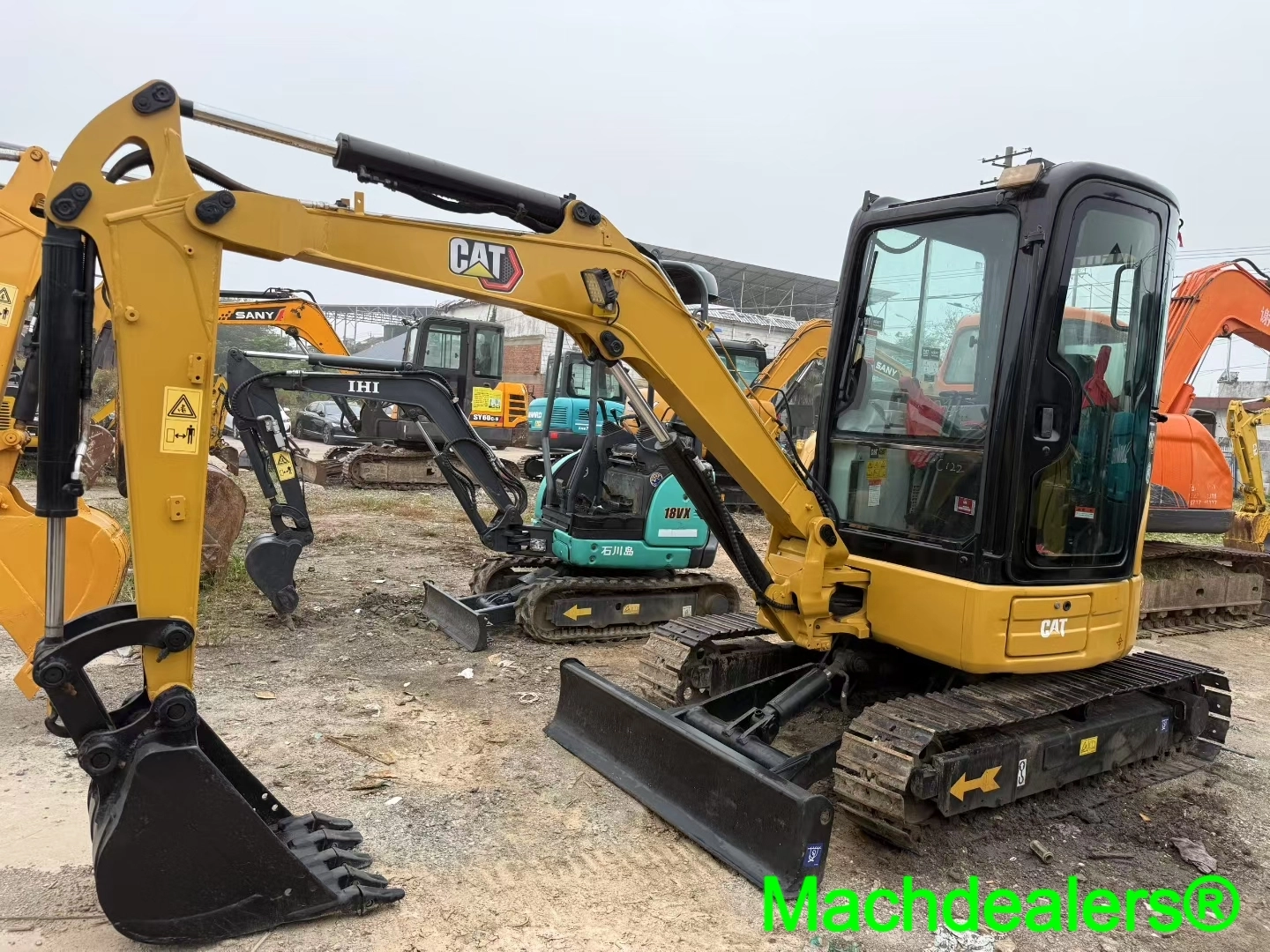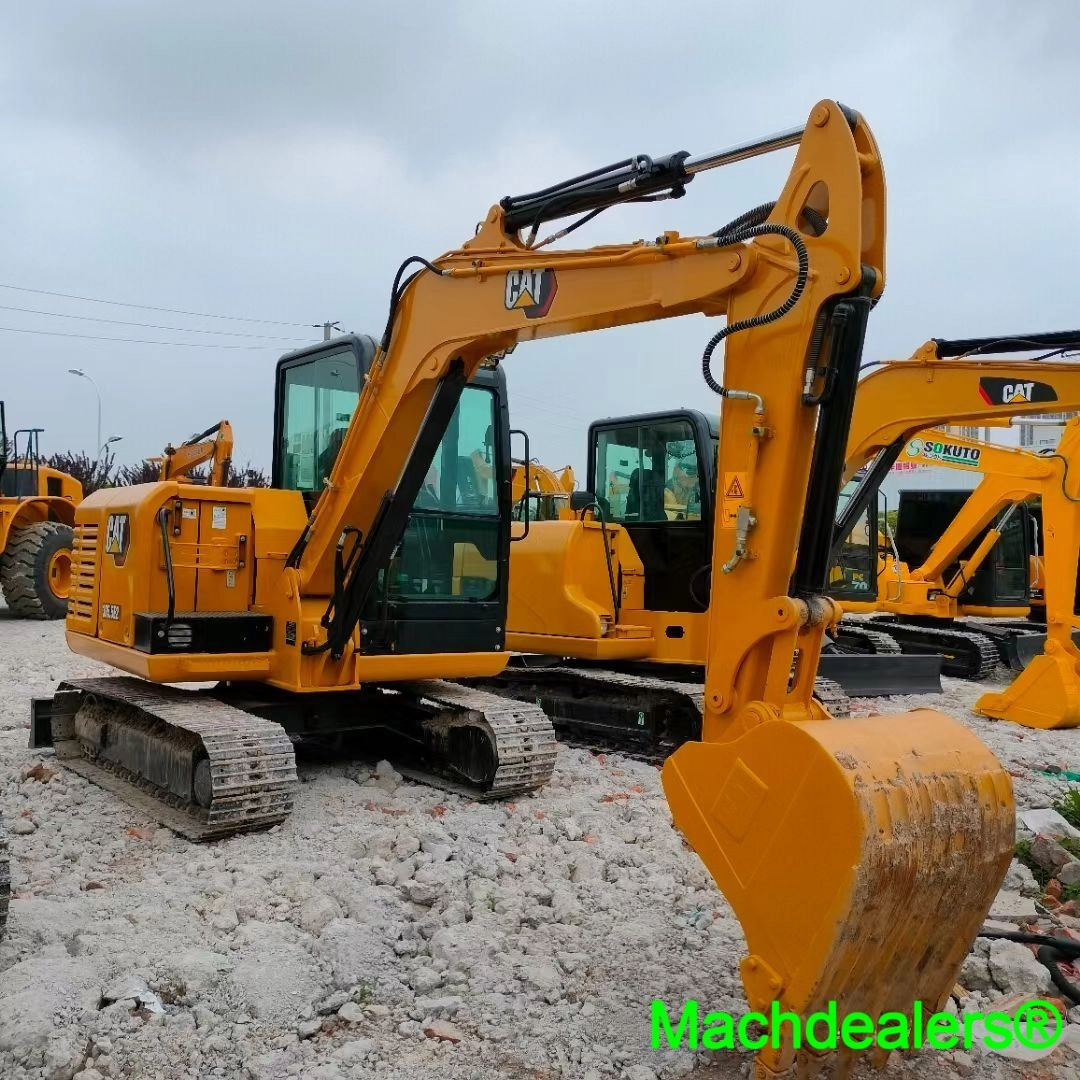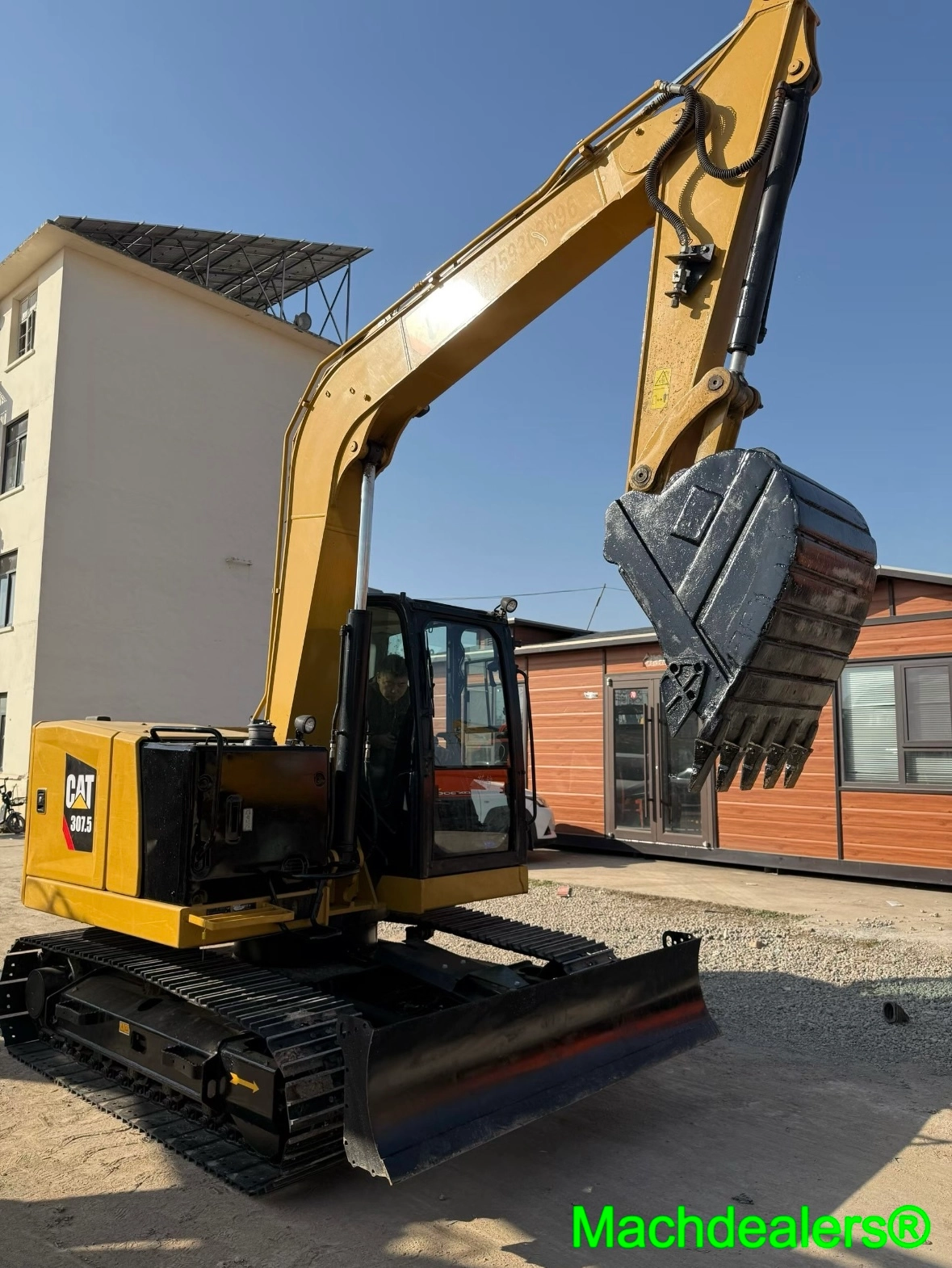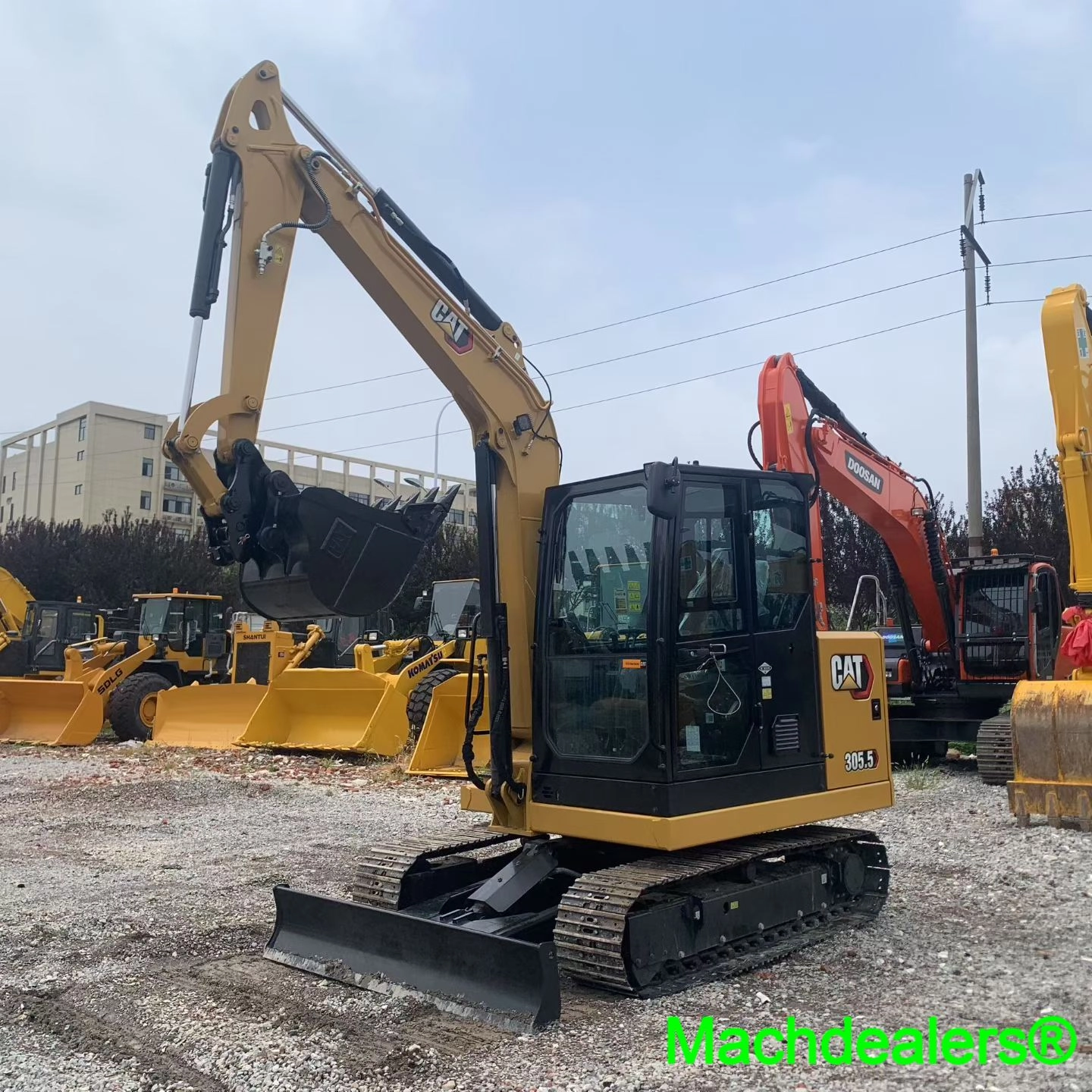

How to Verify Real Operating Hours Before Buying a Used CAT Mini Excavator
A CAT Electronic Technician (ET) laptop set up is required.
It will take approximately 45 seconds for the ECU to handshake with the ET software once connected, and to show the main menu tree. You want to find four data fields in the following order:
1.
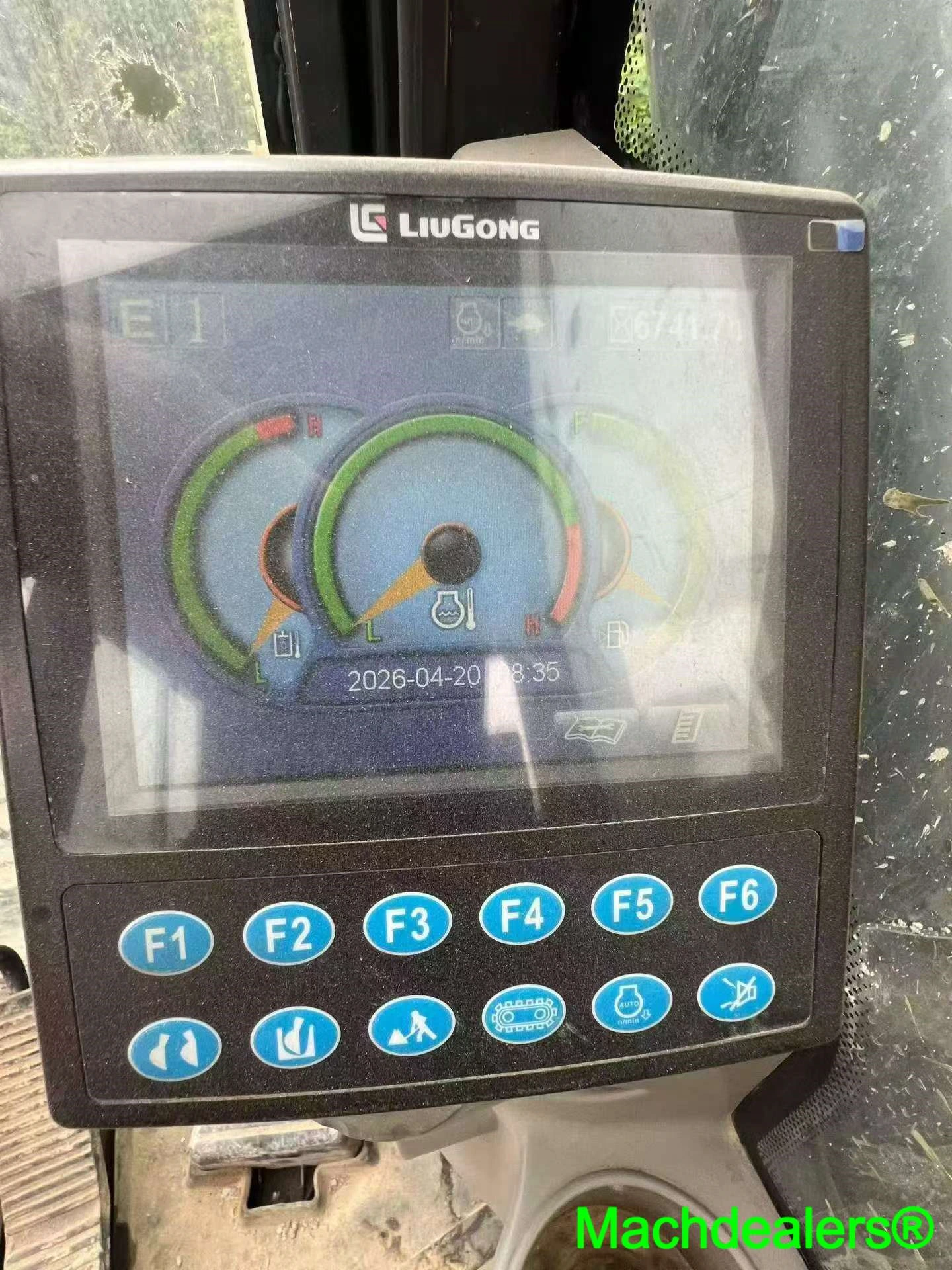
Total Engine Hours · Not “service hours.” Not “key-on hours.” On a machine the seller claims has 1,200 hours, the actual number should be somewhere between 1180-1220 – there will be some plus and minus drift because of changes in firmware. If there is a big discrepancy (200 hours or more), walk.
2.
Idle Hours · This indicates the number of hours that the machine spent sitting at low RPM of all the hours. Landscapers and utility guys are likely to have high idle ratio, perhaps 35% to 45% idle, as they’re waiting for trucks and talking to foremen and letting the hydraulics warm-up on a cold morning. That’s fine. This would indicate that the machine has a lot of “on but not working” time, which could indicate that the driver is not trained in stopping the machine during “off” time, or that a problem exists, such as hard starting or weak battery. My personal rule of thumb is when idle hours are greater than 40% of the total hours, I ask more questions and I do subtract value.
3.
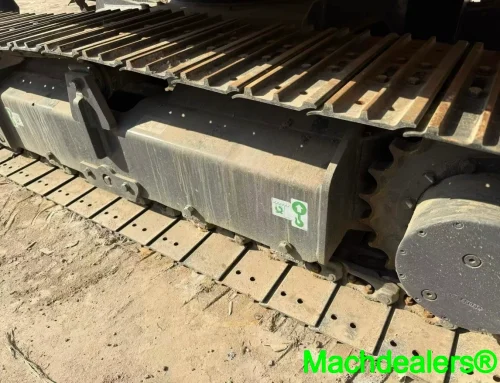
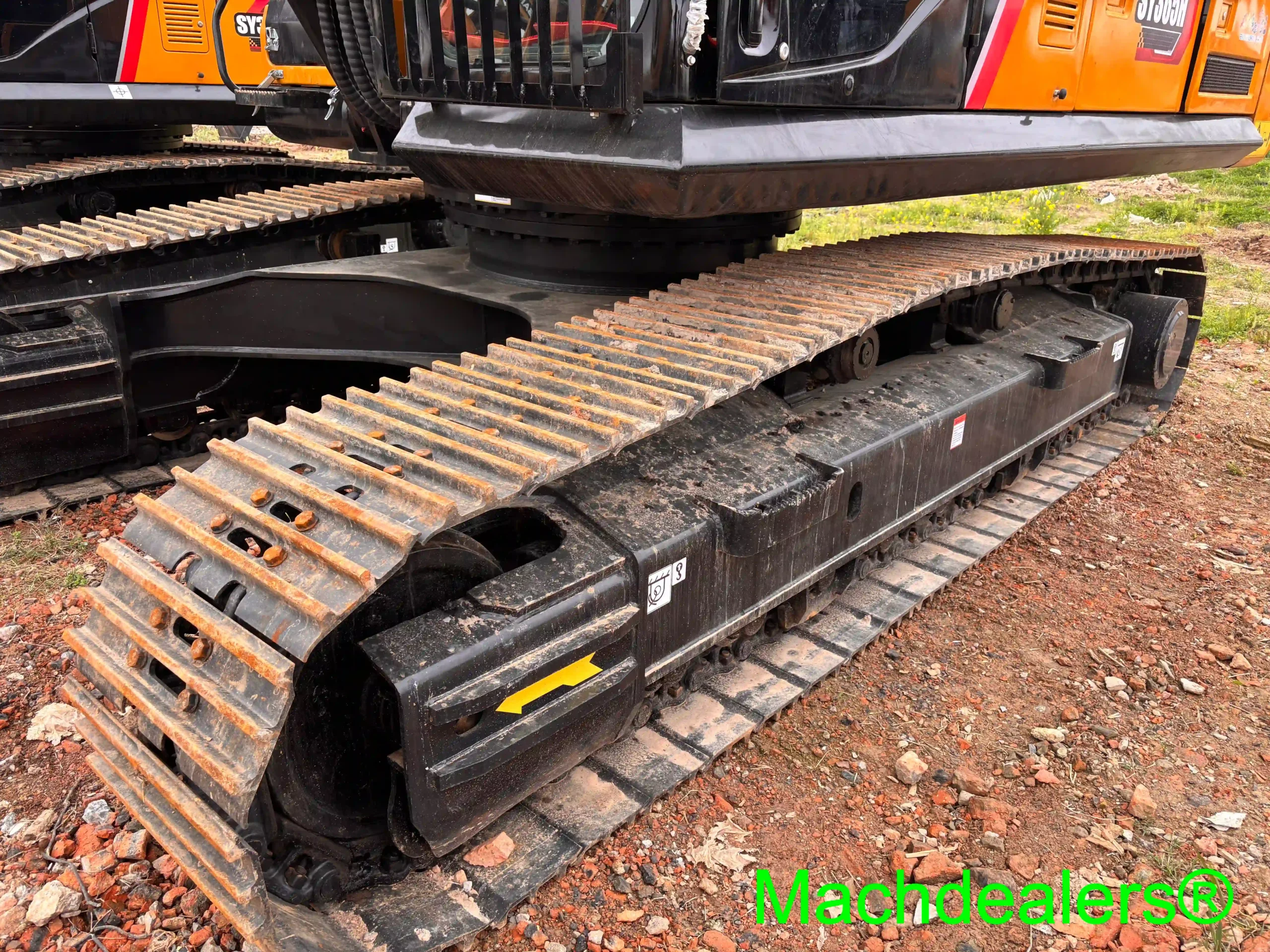
Tracks consist of steel loops that are joined together with pins and bushings. Those pins spin in the bushings as it is in use, and take a huge beating: thousands of pounds of ground pressure and constant articulation when the tracks go over debris and work into slopes. The bushings wear. The pins wear. The distance between links becomes more, known as pitch.
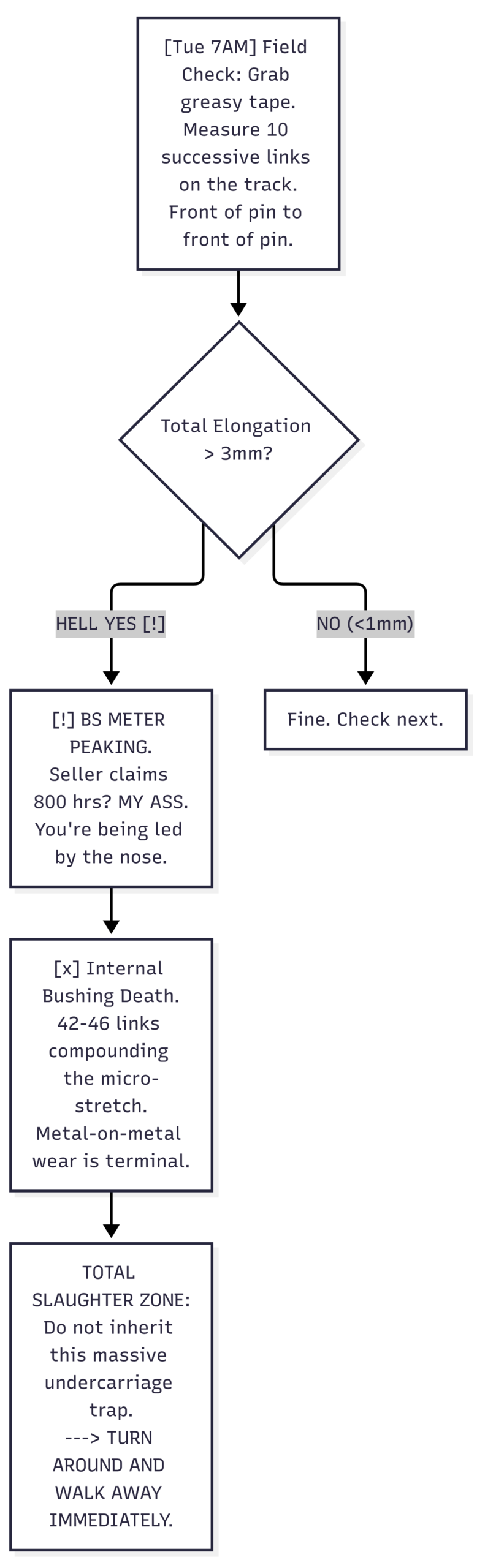
Randomly select a piece of track (the one closest to me) and attach tape to top of the front end of first pin. I put out the tape over 10 links and record how far it is after 10 links. Then I measure another part–typically the other side–just to make sure it wasn’t unevenly worn in because if it was, it’s also indicating one of 3 problems: tracking issue, bent idler, or the operator is not being careful enough and never adjusted the tension, perhaps. In the event both sides stretch 3mm or more, and it is meant to be 800 hours, I know I’m being led by the nose.
Data sources for the table above:https://www.heavyequipmentforums.com/threads/internal-pin-wear.4428/
The chrome-steel shaft that slides out and in from the barrel (cylinder rod) should be smooth and dry. When I can see the oil, even a paper-thin film that comes out as I place my thumb on it, then it’s a clue that the cylinder-head rod seal is leaking. That seal is an O-ring or U-cup (both of polyurethane, or nitrile rubber) said to provide a barrier between the 3,000+ PSI hydraulic oil within the cylinder and the outside world. This normally fails due to heat, oil contamination or just wearing out after some thousands of uses and allows oil to “seep” past the seal and to seep on the rod.
A swing or windrowing machine will wear its raceways, and this occurs after thousands of swings, heavy loads and when the bucket is thumped against hardpan or rock. The balls get square spots on them.
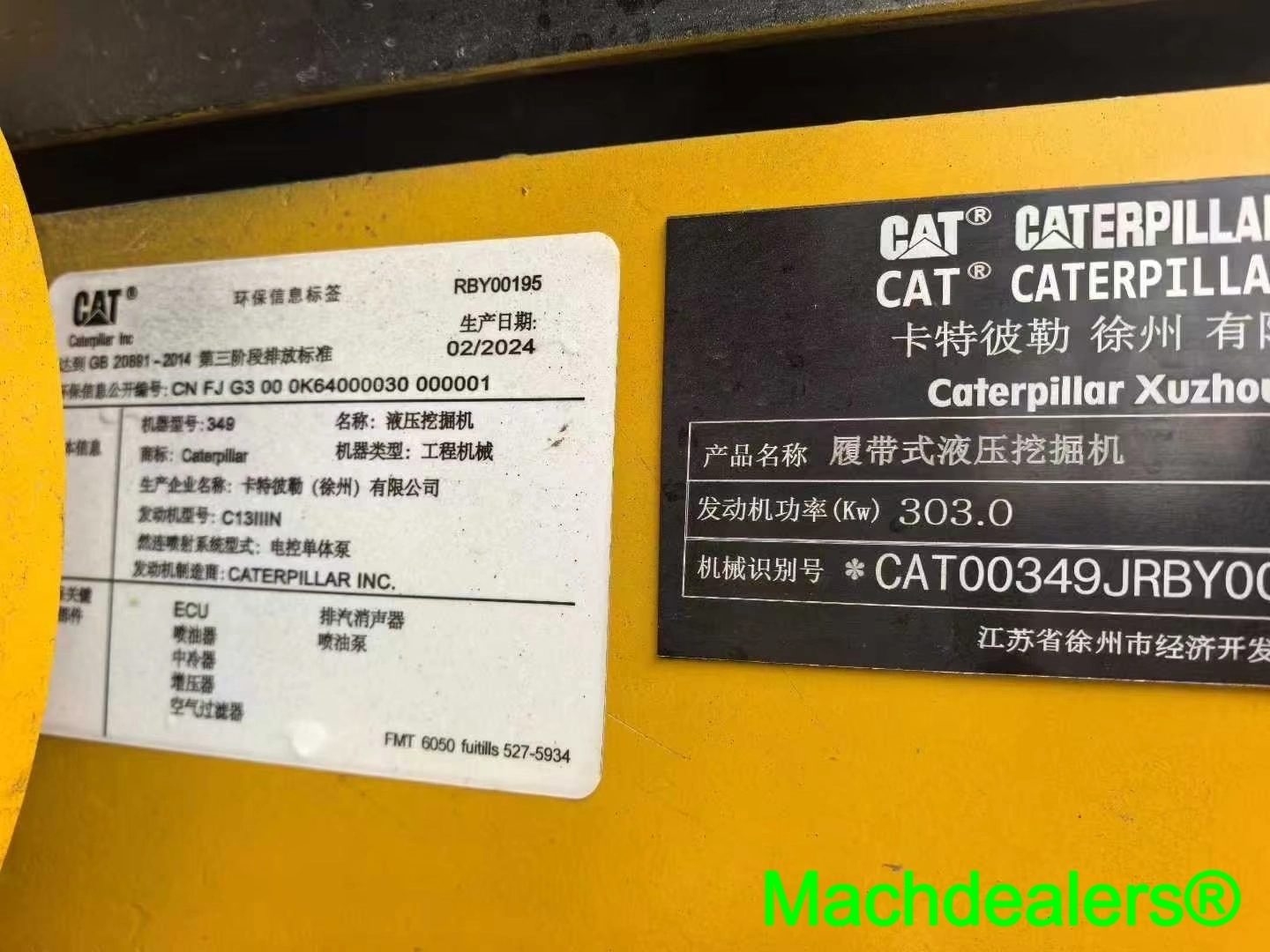
I send an email/text asking for it if it’s not listed in the spots that I want to visit. If they say no or say”let me get back to you,”but don’t, I take a dogged look at the listing and cross it off my list. If a seller will not disclose a serial number, that means that he is concealing something or is too inexperienced to grasp the market. In any case, I don’t have the time to do that.
While I have the serial number I log it in CAT SIS (Service Information System), which can be accessed with a dealer login or a subscription which costs my dealer around $600 per annum and is more than paid off for with the avoidance of disaster scenarios. SIS will provide me with the original build date, the standard vs. high-flow hydraulics and cab vs. canopy, rubber vs. steel tracks version that the machine shipped from the build facility, and most important, the original dealership that the machine was shipped to.