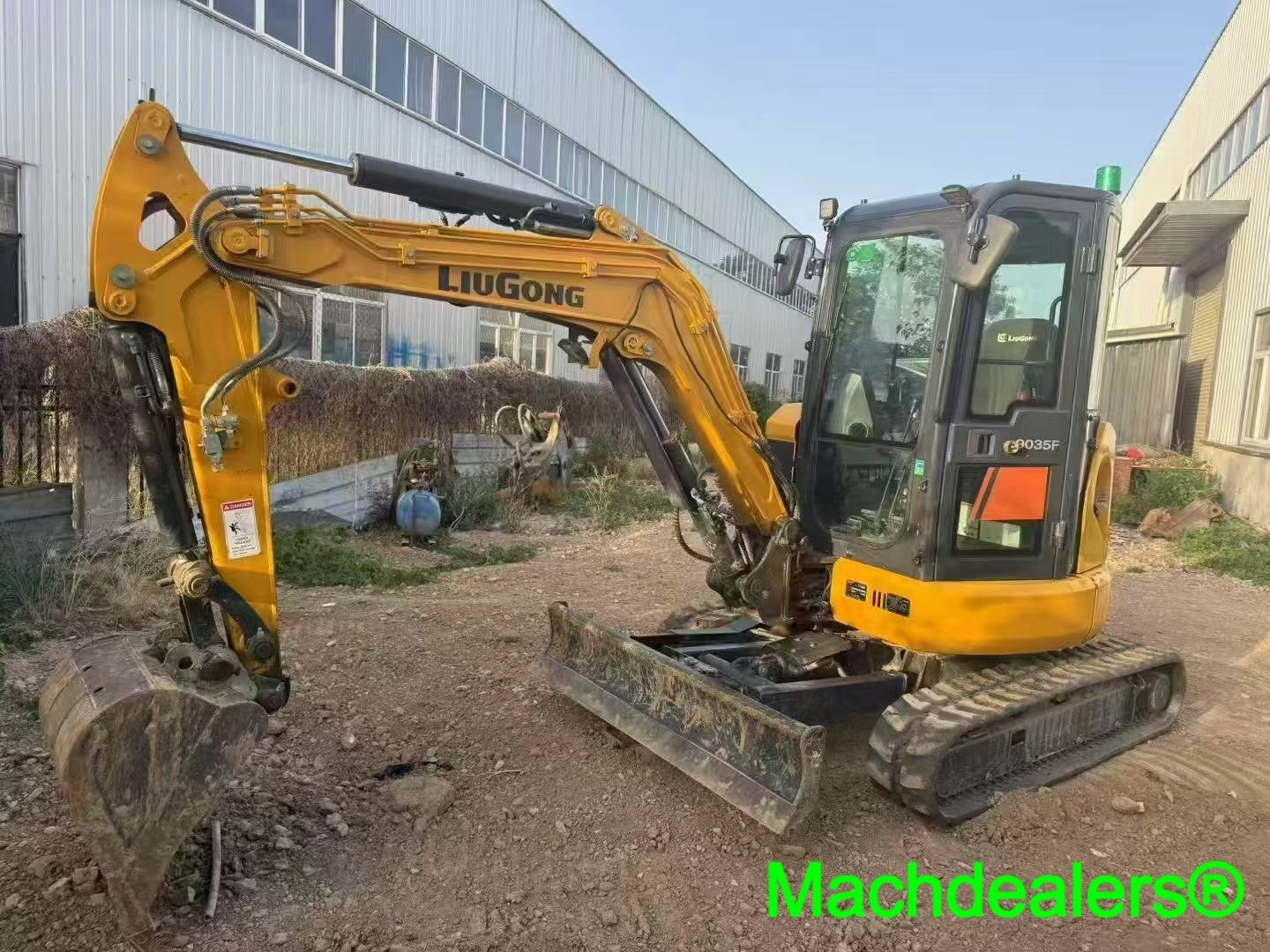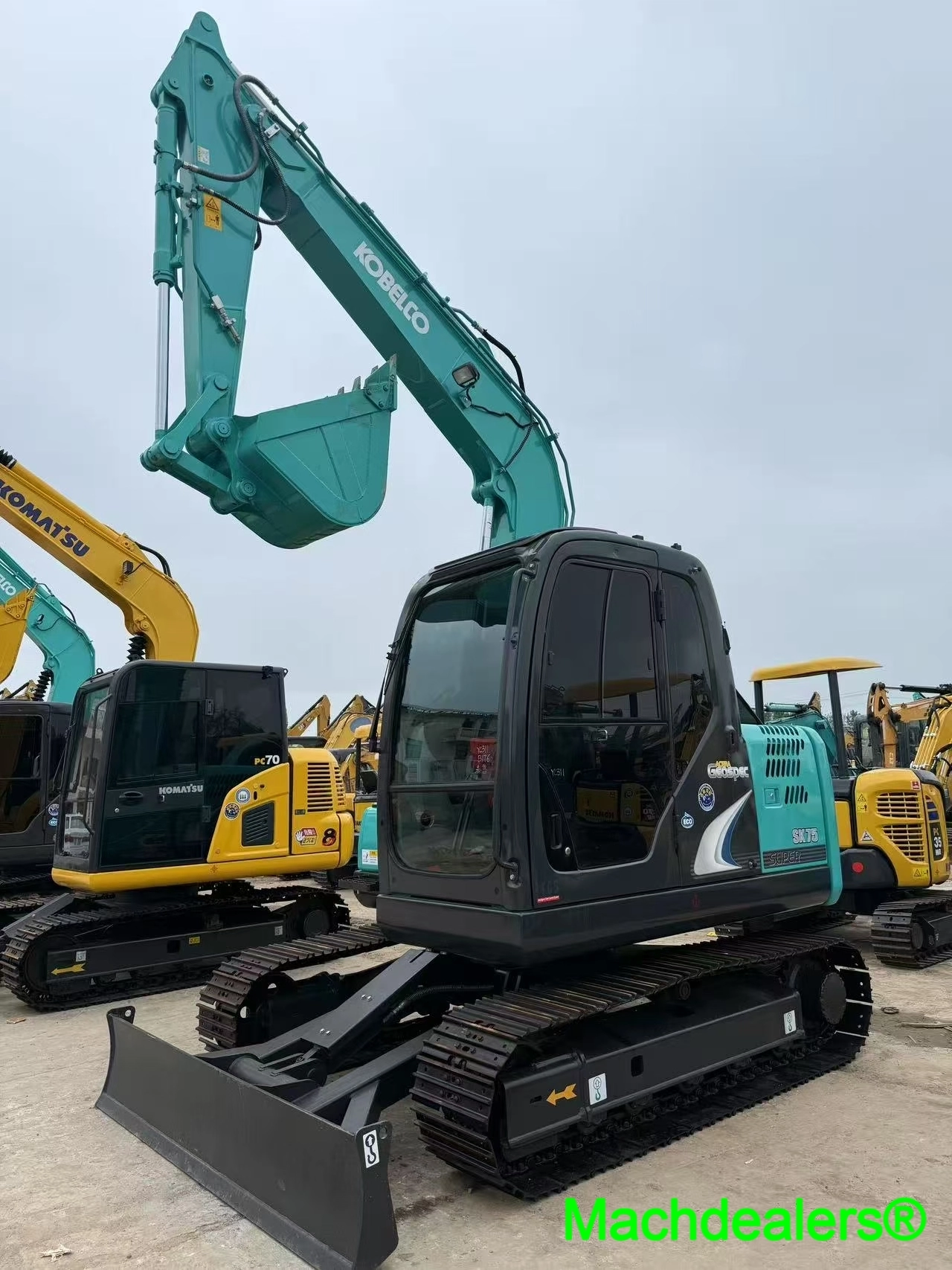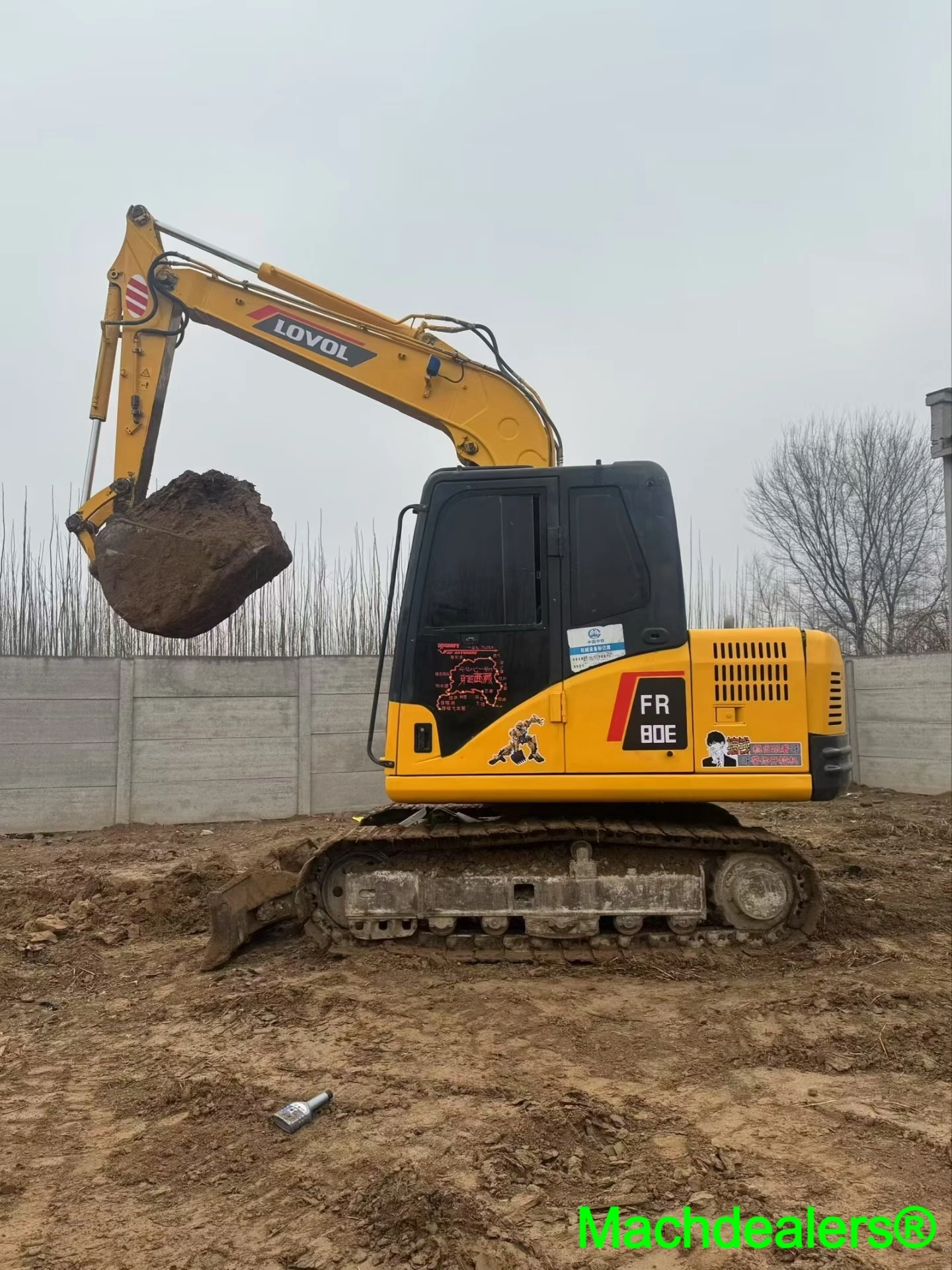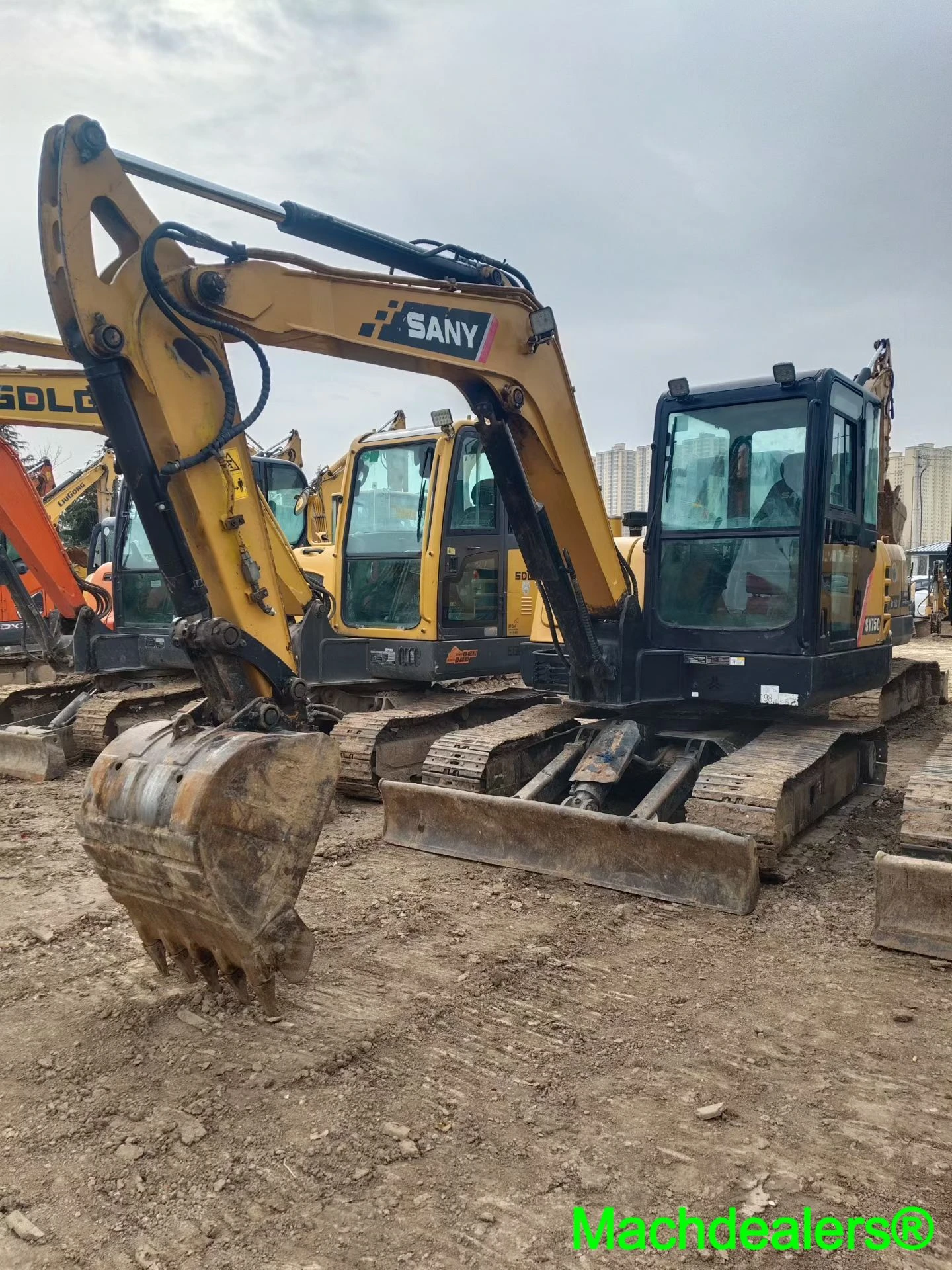

Hydraulic Oil Contamination in Used Mini Excavators: ISO 4406 Codes You Cannot Ignore
Breaking Down 18/16/13 vs. 20/18/15
It’s even less forgiving in the case of valve spools. On a gauge, there may be no indication of change in the pressure drop across the valve but the feel is no longer there.
The other killer is called cavitation. Not wear. Pitting. The small craters, formed by the implosion of vapor bubbles against the metal.
The number denotes the number of particles (i.e. the ISO code) however it does not define the type of particles. It is the silica, ferrous metals and water content contamination signatures which are most important when buying used mini excavators.
When water comes in, you get additive depletion, ferric parts rust and all of a sudden you’ve got iron particles that wouldn’t be in a dry system.
As far as the oil analysis is concerned, if it is high for water and high for silicon and has high iron, then that’s a unit that’s been neglected on every level. Walk away. Don’t negotiate. Walk.
The Sampling Protocol to Save you from Lawyer Bills
Most cross-border buyers fail to get on the same page with the seller: They take the seller’s word for their oil report or even worse, they take a visual inspection as enough due diligence.
If compiling a used mini excavator purchase order, it is important that there is contract language in place that requires a third party, accredited oil analysis per ISO 4406 standard. I tend to call out the name of the lab–Wearcheck, Polaris Labs, Chevron LubeWatch or somebody that is ISO 17025 accredited to avoid any confusion. It must be taken in your presence, sealed and sent with a chain of custody paperwork. Sounds crazy but I have witnessed a seller flushing a hydraulic system with fresh fluid the morning of an inspection so as to improve the contamination level showing and thus improving his/her argument.
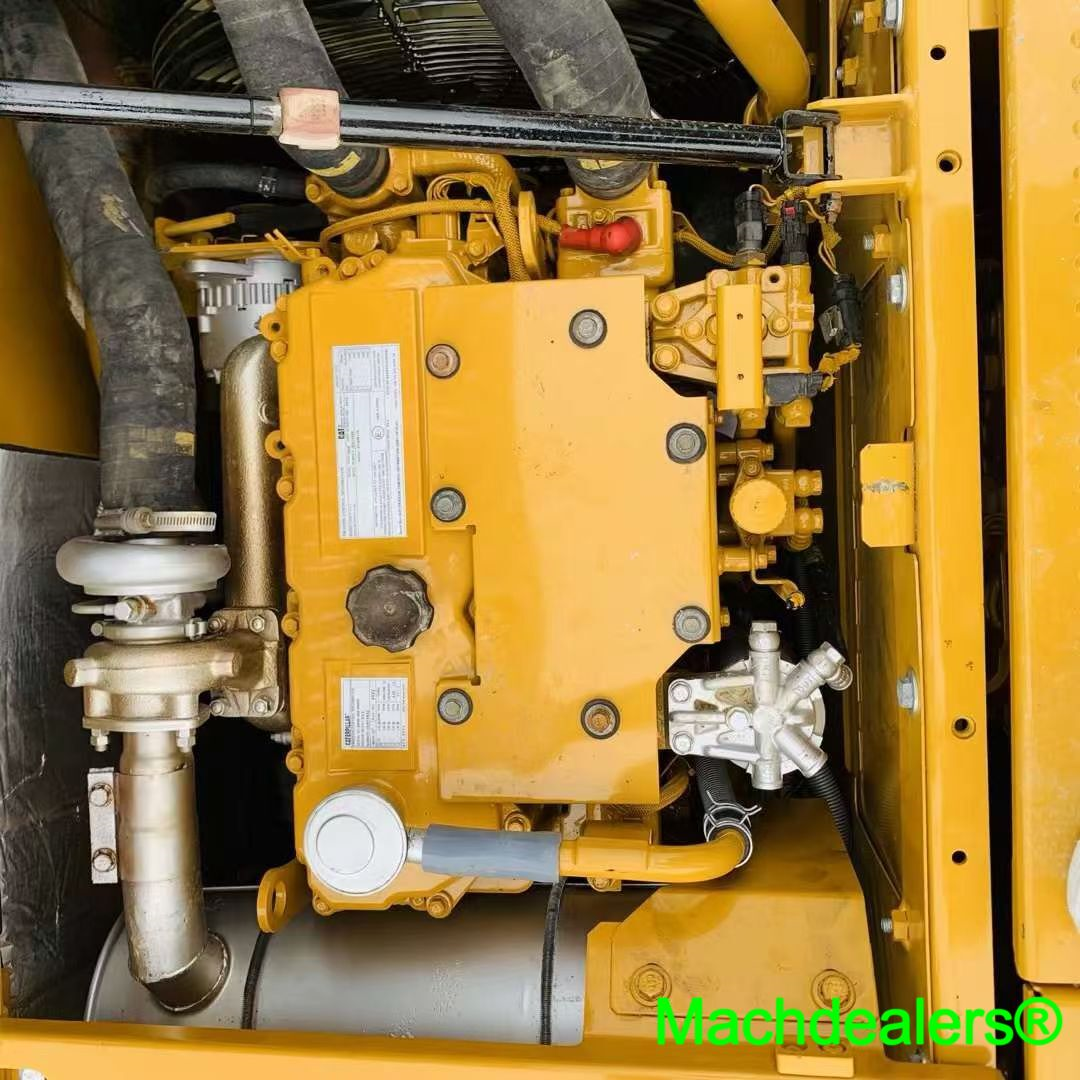
Location of your sample is important, more than you may think. The best sample is taken in the mid stream return line preferably while the machine is in operation and the oil is hot.
The second choice is a drain plug sample provided that you allow the oil to run for a few seconds prior to pulling the plug to make sure all settled “sludge” is run off from the bottom of the oil sump. Worst of all and I see it all the time is taking samples from the suction strainer. It’s theatrical garbage.
I became suspicious and took out the hydraulic filter canister and the element was coated, as if dipped in tar. Confronted him, he put his head down and admitted that he had pulled the filter stunt. I said to him “That’s a hoax, and I walked out.
If the machine is displaying 3,200 hours and the oil returns at 18/16/13 but the oil filter is still really clogged and the sticker indicates the last filter change was at 1,100 hours, then it’s a problem.
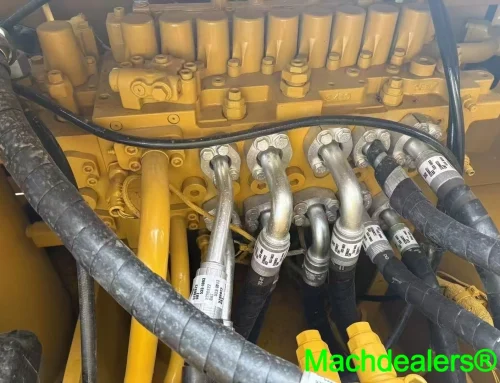
One last thing, if it is a machine that has a bypass indicator on the filter element it should be checked. Typically, it will be either a small button or a small pin that protrudes out when differential pressure (DP) across the filter is greater than the bypass spring pressure set on the filter. If it is an indicator that is tripped, and the oil sample results have been good, you’ve just caught somebody in a lie. Due to a dirty oil condition, the filter would go into BYPASS and they either flushed the system or replaced with new oil to cover up.
Let’s talk money.
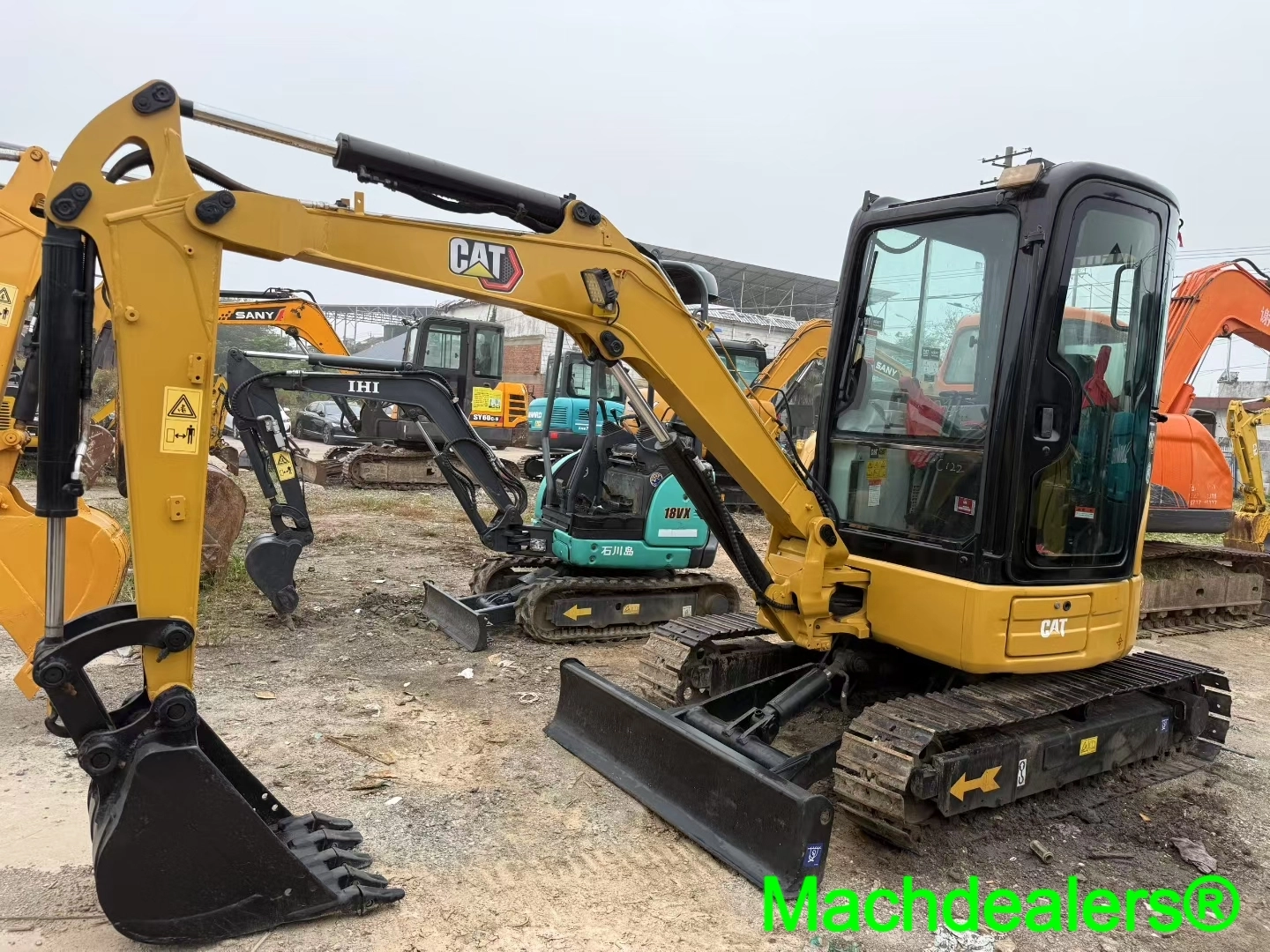
Cat 303.5E with known contamination 20/18/15 is in need of a main pump replacement and will probably need a rebuild of the valve block. Before you even reach for the cylinders or even look at the swing motor you’re at twelve grand all-in!
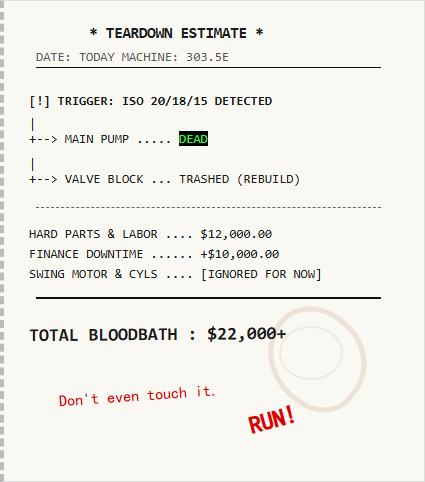
Data sources for the table above:https://www.heavyequipmentforums.com/threads/330c-hydraulic-pump-whining.124029/
Sany SY75C–This is another special type of headache. The total repair bill for an overhaul on an SY75C’s complete hydraulic system, may be only about eight to nine grand in parts and labor, but the downtime cost could be double the total bill if you are financing the unit, or you have a customer waiting for it.
As long as the hours and price of the machine aren’t over average for its year, if it’s 19/17/14, I will allow 15-20% off the asking price to pay for the immediate flush, change the filters and then have an oil sample analyzed in 50 more hours to make sure the system is settling into normal condition.
If it is not properly documented, then I don’t think of it as even a unit, I think of it as a parts donor and I am only interested if it’s selling for 40-50% off market or less. When you get to that stage, you no longer are buying an excavator that works, but three things: an engine, an undercarriage and a lot of rebuildable parts.
And my own rule to NOT bend – anything +21/19/16 is a walk-away without any excuses, and that’s it. If it’s that dirty then they must have driven it hard, skipped all services and likely given false service records. Very likely lubrication points will be dry. Walk away.
Apply These Standards with REAL Inventories
All of the mini excavators we have in the yard have been sent off for third party ISO 4406 analysis, and any that do not conform to a top standard of baseline 18/16/13 will not be purchased, clean or not, and motivated or not! Those that pass receive full elemental analysis for silica, ferrous content and contamination of water and those reports go with the unit upon sale.