
Engine Hour Meter Tampering Detection: ECU Data Cross-Check Methods for Yanmar and Kubota Engines
Screw Head Forensics
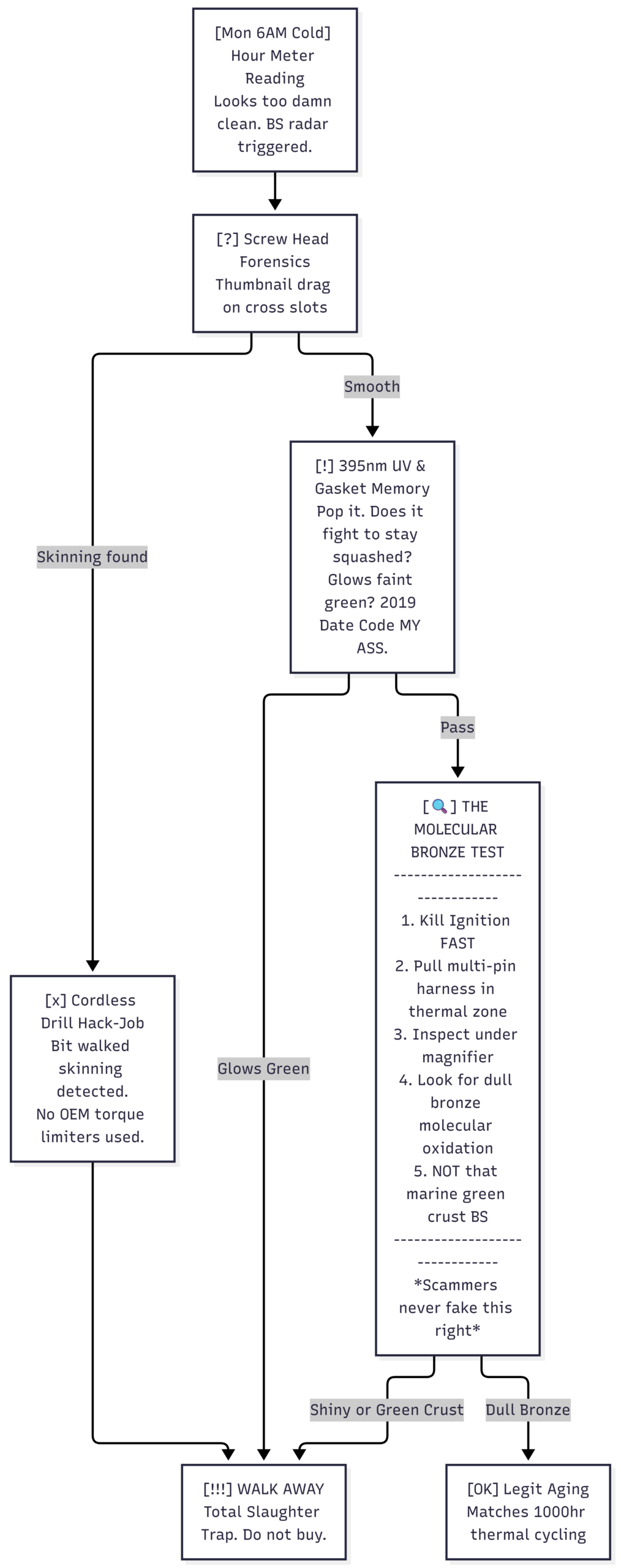
Slide a thumbnail along the slot in the shape of a cross. If they used a cordless drill, rather than hand-threading it in, you may notice a slight “skinning” where the bit walked, though the walk of the bit mustn’t be that noticeable before catching.
What is more confusing is the fact that one can’t always tell the difference between a job done by a legitimate service center and a homeowner’s cluster removal; the service centers have notes in their RO to indicate that they have removed the cluster, and more importantly, the impressions that have been left are all in the same shallow range thanks to torque limiting drivers that a legitimate service center uses.
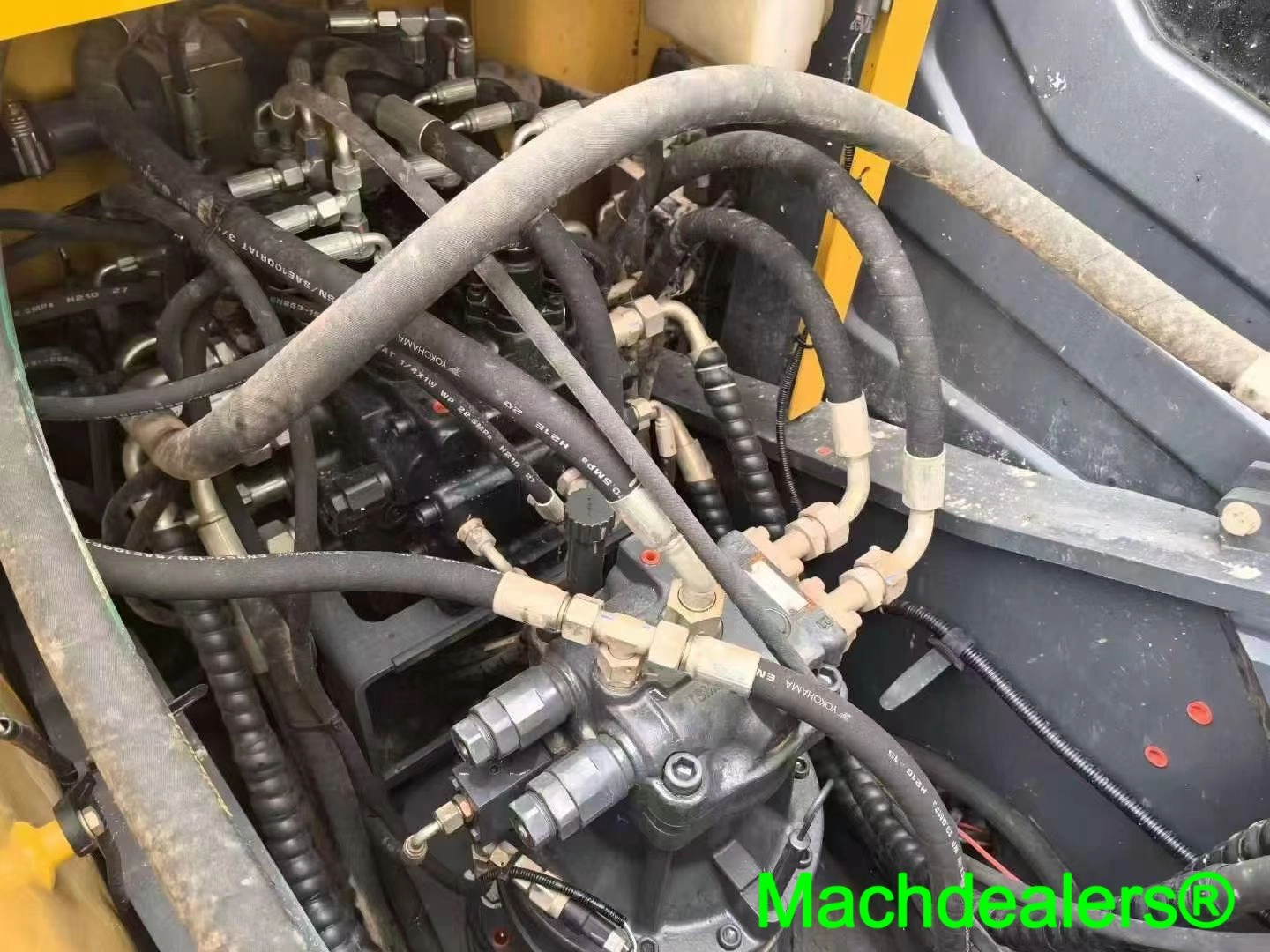
The original gaskets have a compression set memory. Here’s what has been happening for many years: They’ve been squashed into their groove and when they are lifted up out of their groove, they want to remain that way.
The “date code” (usually embossed near the harness pass-through) on the instrument cluster housing may read 2019, and the gasket may glow faint green under a 395nm light which would indicate that someone has used an older gasket.
The corrosion of connector pins is more of a real time indicator than any display. The multiple pin harness that is connected to the meter is positioned in an area of thermal changes and humidity ingress. Copper becomes oxidised over a thousand hours–not in the sense of the green crusty growth of corrosion you’d find on a marine project, but like a dull “bronze” corrosion layer which is growing at a molecular level. Remove the connector (with ignition off of course!) and check the connectors under a magnifier.
Data sources for the table above:https://heavyequipmentforums.com/threads/i-won-a-skid-steer-at-an-auction-but-have-just-discovered-the-meter-has-been-tampered-with-badly.83363/